01
CLP container labels
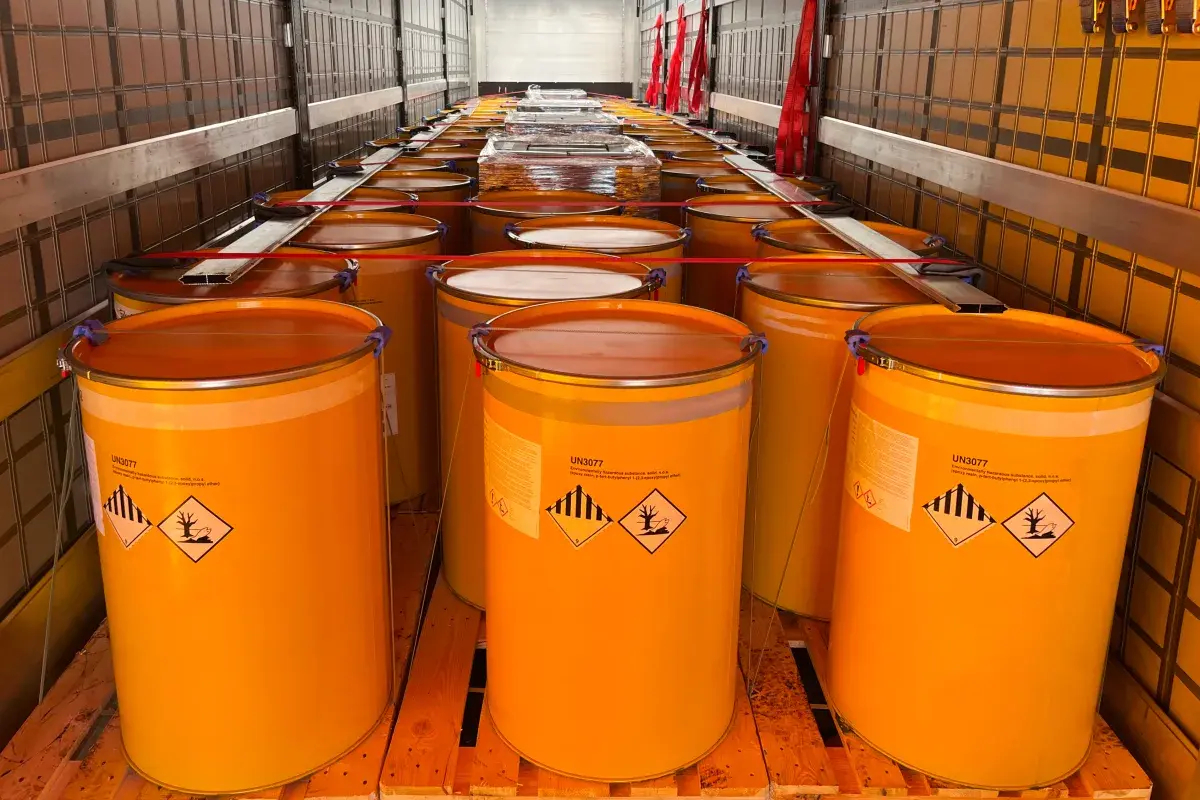
For bottles, jerrycans, drums and IBCs. We take pictograms, signal word, H and P statements and UFI faithfully from your approved classification.
Industry solution
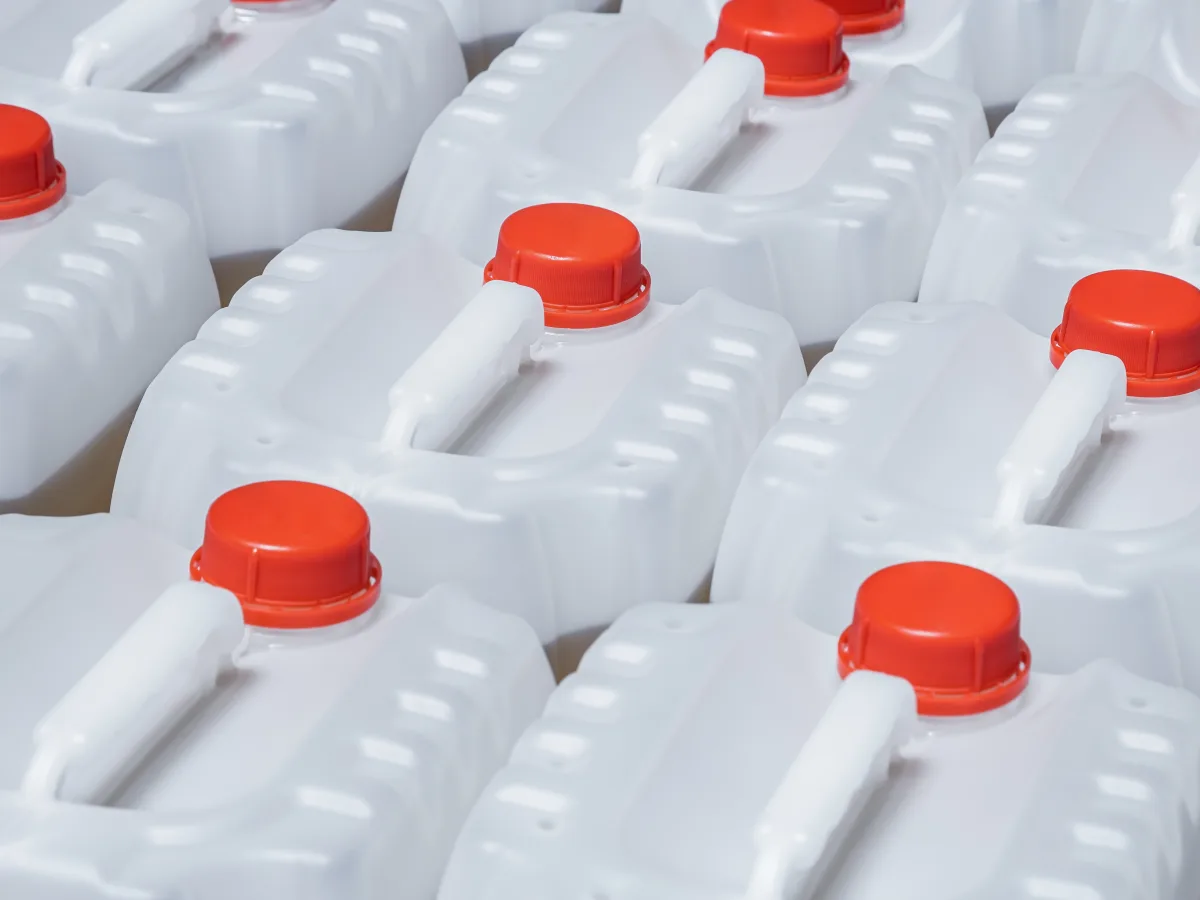
HDPE jerrycans and IBCs with low surface energy, drums with curvature and beads, plus moisture, abrasion and chemical contact: in the chemical industry the bond of material, adhesive and print decides. We manufacture to your specification and carry your approved classification faithfully into print.
Labels and printed documents
From the hazardous goods container to the retained sample – and the matching paper for every container.
For bottles, jerrycans, drums and IBCs. We take pictograms, signal word, H and P statements and UFI faithfully from your approved classification.
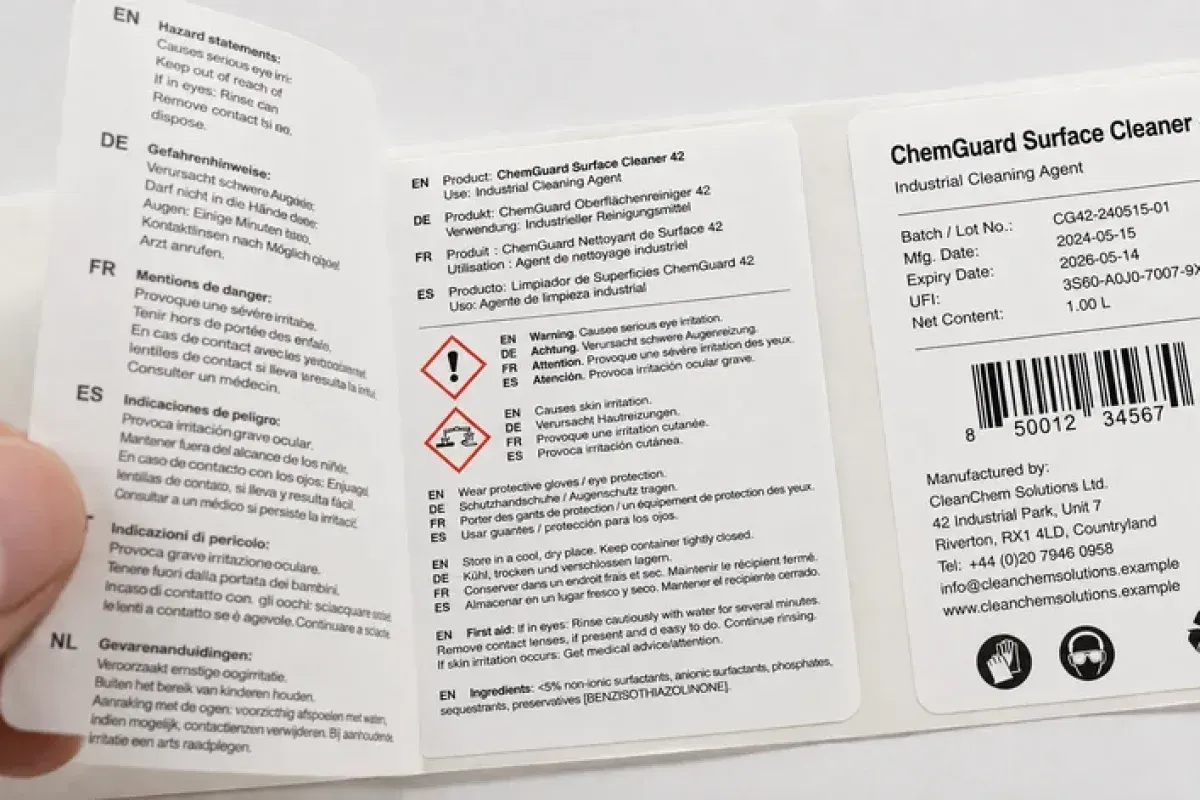
When many languages and mandatory texts must fit a small container: multi-layer and folded constructions create space without enlarging the packaging.

For sea transport and outdoor marking. BS 5609 tests material (Section 2) and printed label (Section 3) separately – we sample the complete construction.

Small formats with variable IDs for samples, reagents and retained samples – medium, cold and solvent contact determine the construction.
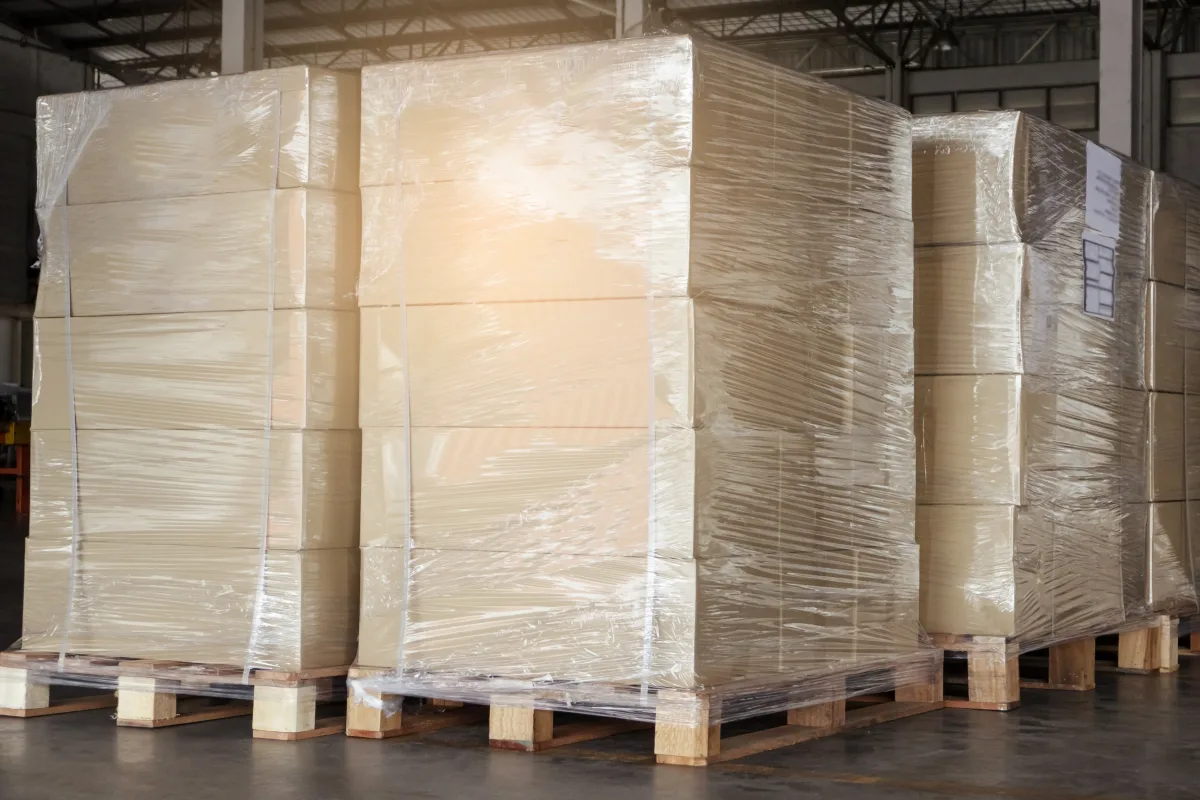
Quarantine, release, storage and dispatch: variable batch, status and SSCC data for handling and frequent scanning.
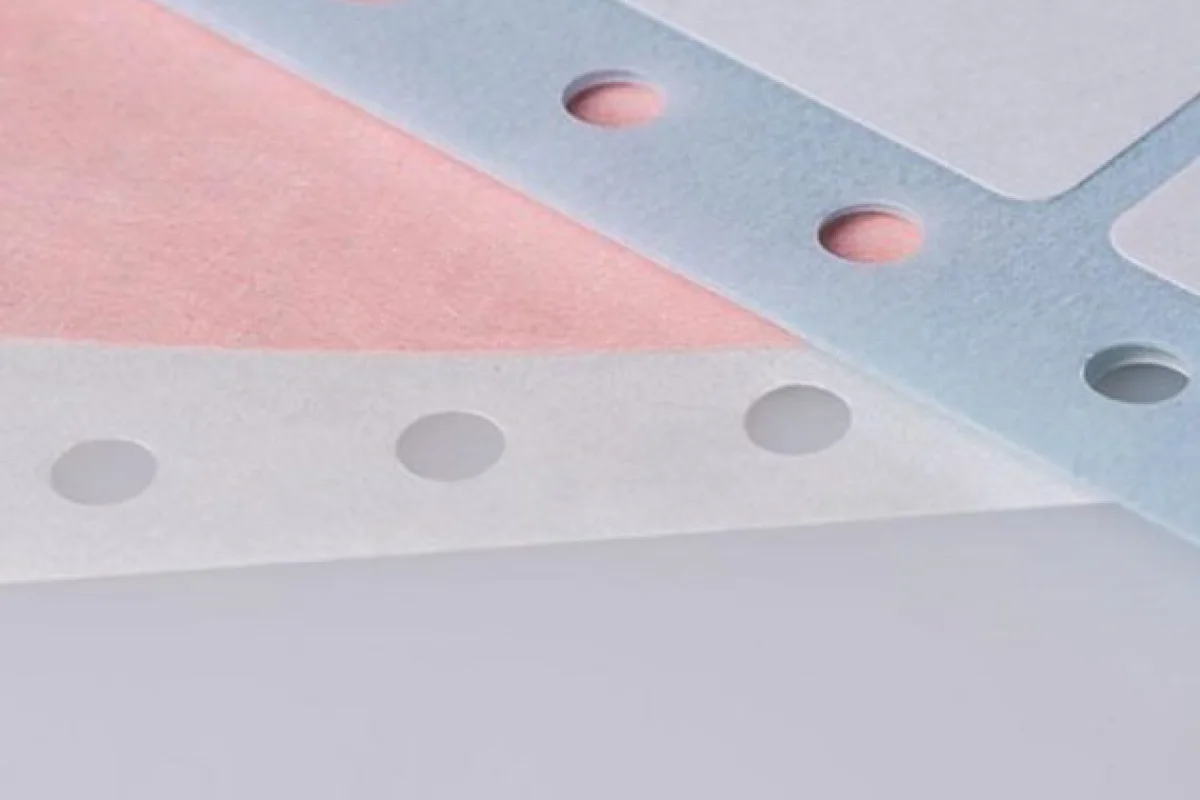
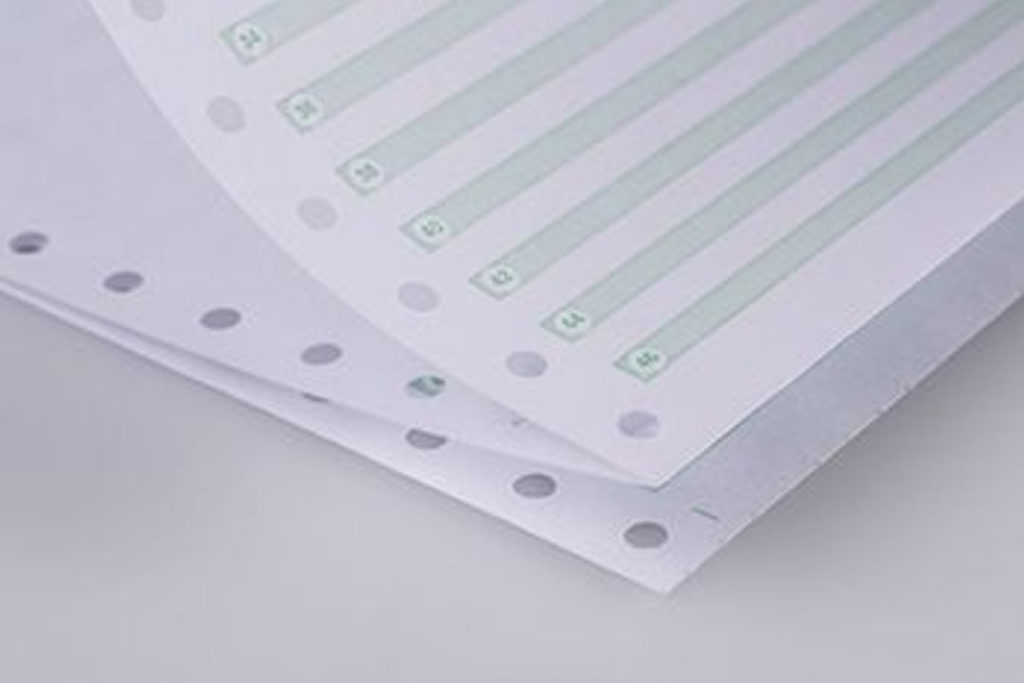
SDS sets, ADR transport documents, sampling carbonless sets, loading checklists and numbered hold and release tags – printed to your template.
Matching products
What we produce for this industry, sorted by product area. Each card leads to the product page with materials and versions.
Technical basis
A material recommendation without test medium, substrate and temperature profile is guesswork. We clarify these four points with you – sampling happens on the fully printed construction.
Mandatory information
The content of CLP marking – pictograms, signal word, H and P statements, UFI – comes from your approved classification; we print it repeatably and document the material code. For barcodes and 2D codes, ISO/IEC 15416 and 15415 provide the test methods – target grade and test interval are agreed with you.
hummel360°
Product, hazard and container data already sit in your ERP, PIM or regulatory system. With hummel360° we map how they turn into ordering, data transfer, print data and traceability. Built around your process, not off the shelf.

Article, language, container size and variable batch data arrive as a file or through an interface, and the approved label variants come out as print data. The classification itself stays with you, we reproduce it faithfully.
Every site sees only its approved range, enters the variable data and triggers the reorder. You decide who may do what. Suppliers can take part without an account of their own.
A QR code on the container leading to a centrally maintained page with your approved safety data sheets can be added to your portal. It does not replace the mandatory information printed on the label.
Quality you can verify


Original container, test medium, concentration, contact duration and outdoor storage – from that comes a material recommendation, sampled on the fully printed construction.
Contact
Let's solve your labeling challenges together.


We will get back to you within one business day.