Every label is unique
Each data record fills the variable fields anew, whether serial number, batch or individual text.
Variable printing
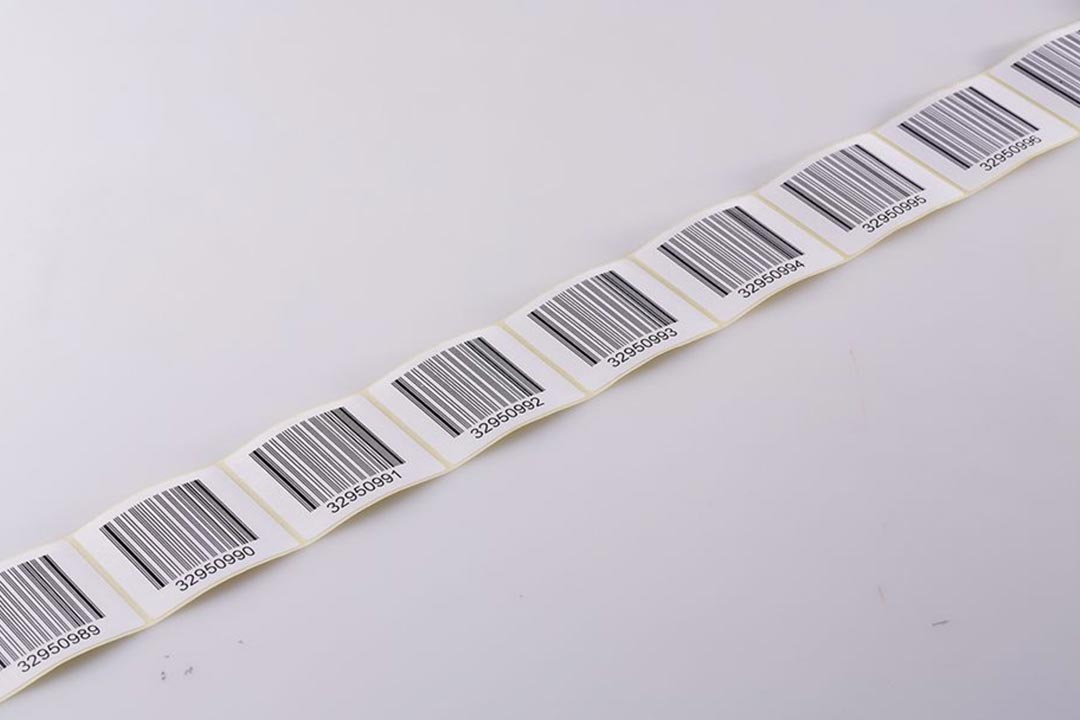
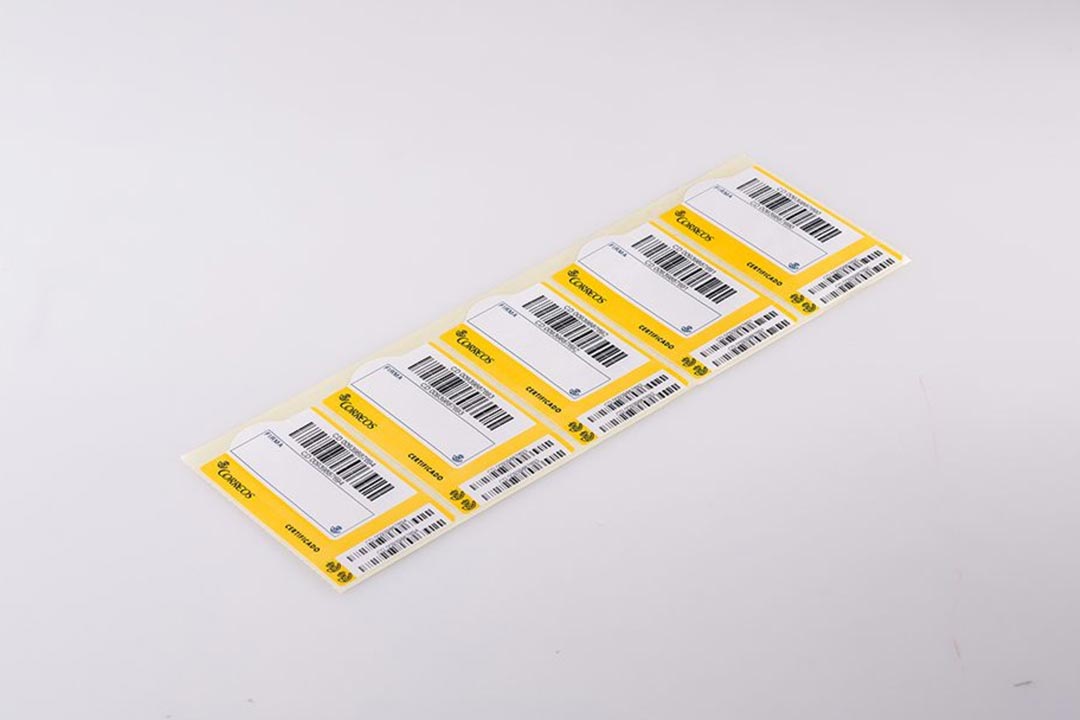
Every label carries its own data: serial number, batch, EAN or other barcode, QR or DataMatrix code, combined with a fixed base layout.
The key selection benefits at a glance.
Each data record fills the variable fields anew, whether serial number, batch or individual text.
The barcode or 2D code and the readable number beside it come from the same data record and clearly belong together.
Consecutive numbers run without gaps in the order your downstream processing expects. We agree in advance with you how replacement labels are inserted.
The format depends on your printer, dispenser or manual processing.
Product
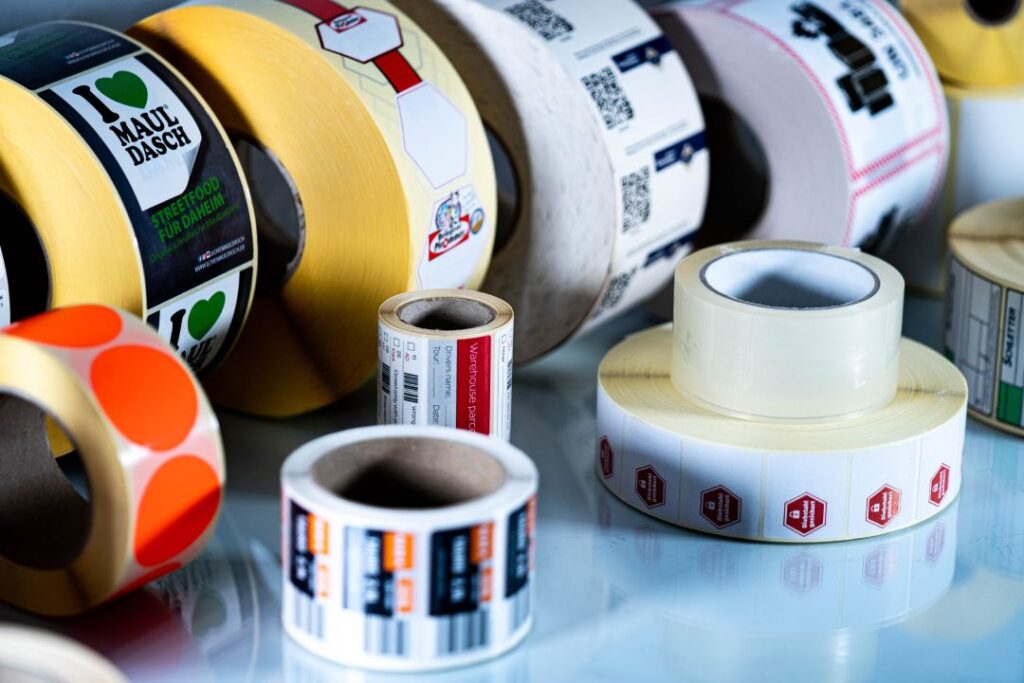
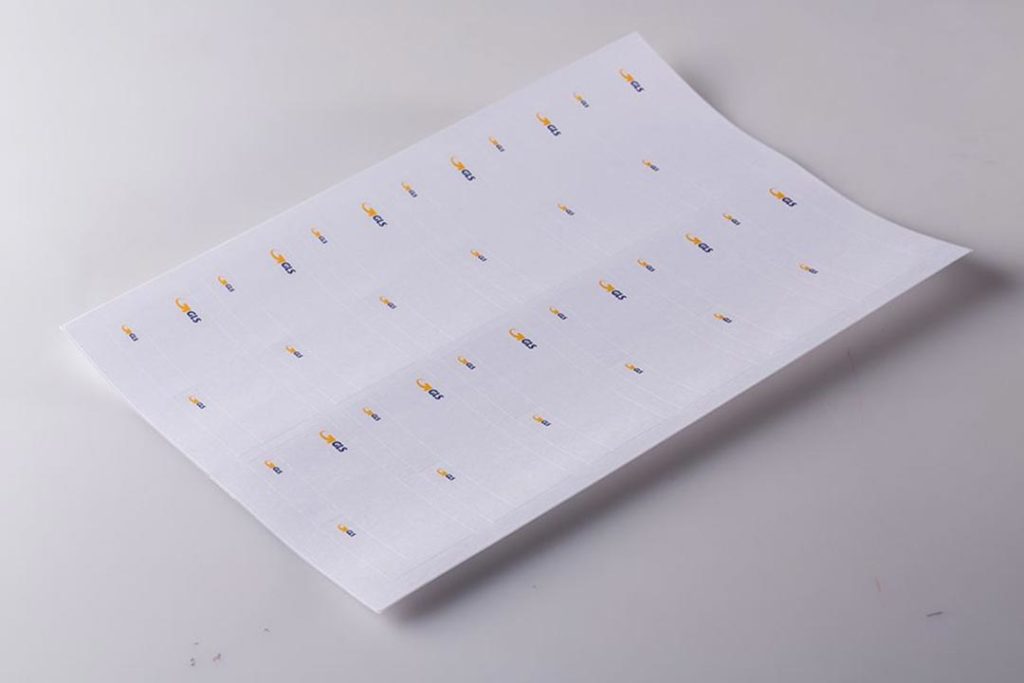
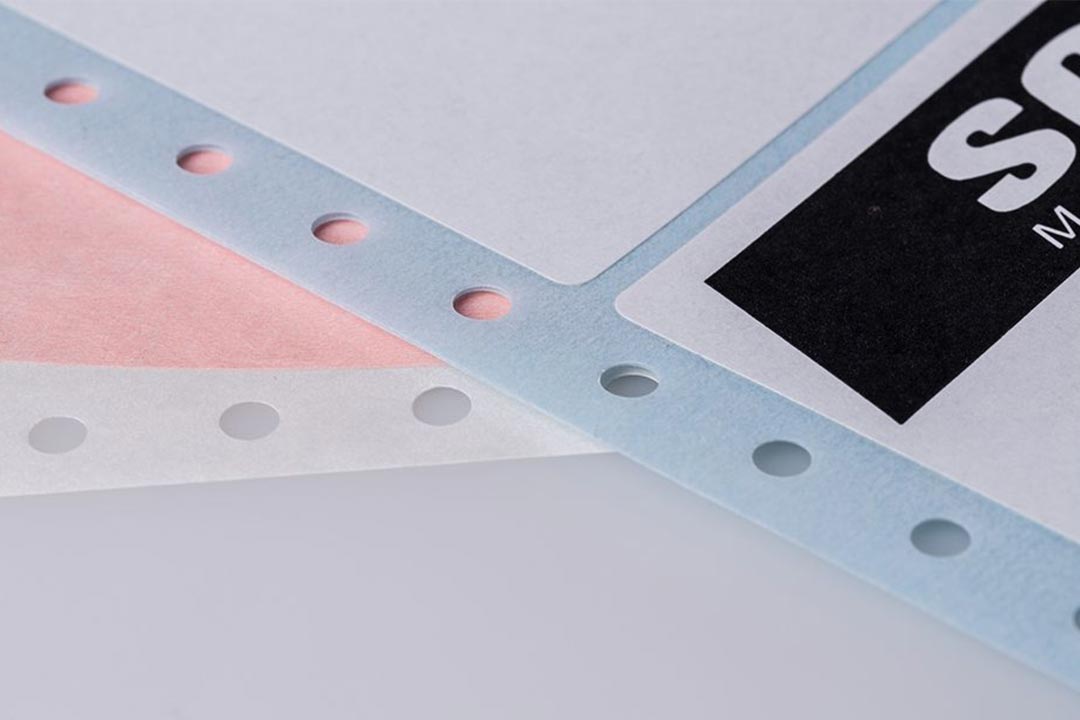
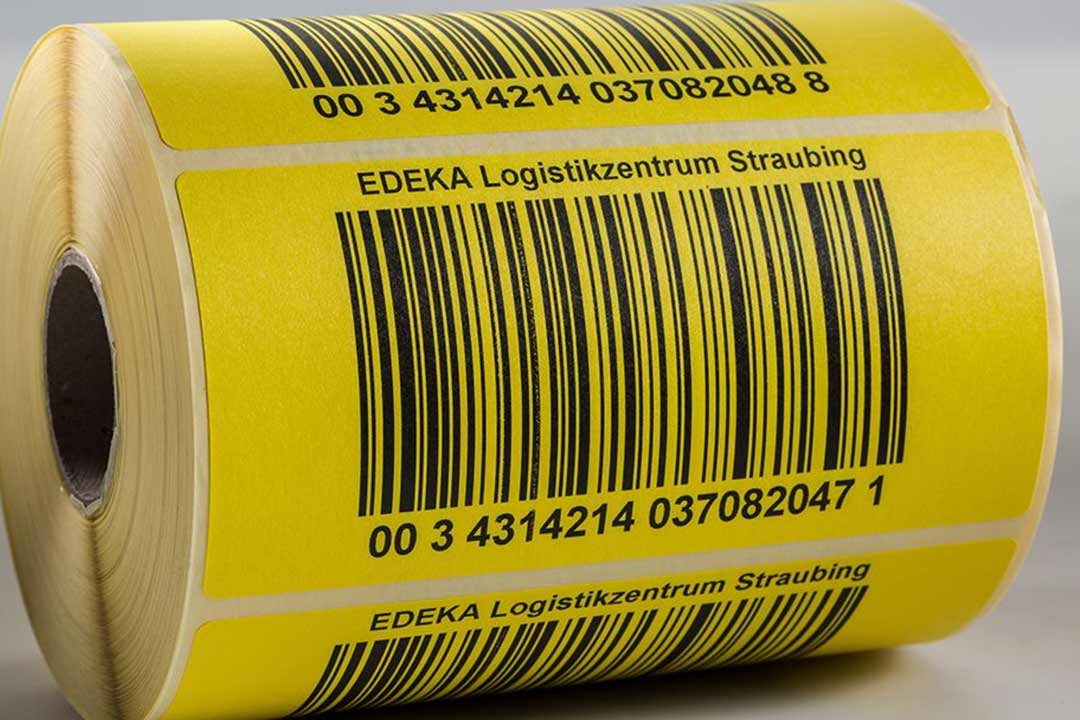
Variable data labels differ from one copy to the next. Logo, notices and design stay the same, while each data record fills the variable fields anew. We supply these labels on rolls, as fanfold or on sheets and manage numbers and variable printing with professional software.
If number ranges, accompanying documents or forms are the focus, coded products are the better solution.
Applications
Each label receives a unique number, either consecutive or from a supplied data record. This supports traceability, order picking and the clear assignment to an item.
Item, logistics, promotion or identification data is output in machine-readable form. Symbology, code size, contrast and surface follow the scanner that will read the codes later.
One base design takes different names, regions, languages or motifs. Flexible text and image areas keep the appearance stable, even when individual records vary in length.
Planning
| Customer requirement | What matters for selection | Practical benefit |
|---|---|---|
| Different text or images | Scope, field lengths and shared base layout | Variants stay visually consistent |
| Consecutive numbers | Start, end and required order | Labels fit the downstream process |
| Barcode or 2D code | Symbology, data volume, contrast and scanner | Code size and print area are planned correctly |
| Code plus plain text | Clear assignment of both contents | Staff and systems identify the same object |
| Fixed roll order | Gap-free sequence and position of any replacement labels | Handover to filling or logistics stays predictable |
| Confidential content | Data type, transfer route and required retention | Protection needs become part of the label solution |
Data handover
A consistently structured data set keeps variable label projects clear. When fields are clearly named, code and plain text belong together and the order is recognisable, many variants can run in one shared layout. A sample data record at the start makes coordination between marketing, production and IT easier.
Code quality
A code has to work in the later process, not just look sharp. ISO/IEC 15415 describes how the print quality of 2D codes is measured, ISO/IEC 15416 that of linear barcodes. The appropriate quality grade and inspection depend on the scanner, surface, code type and environment.
In consecutive series, unusable labels affect the sequence. Depending on downstream processing, a replacement sits at the end of the roll or at a specific position. A clear replacement rule keeps the sequence traceable for filling, logistics or order picking.
Data protection
Personal or confidential data needs a protected transfer route, limited access and a deletion rule. Pure item or batch data has lower protection needs than personalised content.
For linking a visible number, chip encoding and radio testing, the page on RFID labels provides specialised guidance.
More products
Quality you can verify







Contact
Send us a sample data record and tell us the code type, sequence, format, material and scanner. We will then quote for labels in which design and variable data work together.


We will get back to you within one business day.