Printed labels
Can labels matched to the radius, surface and process
Printed labels for metal and plastic cans, aligned with their geometry, visible area, moisture exposure and processing.
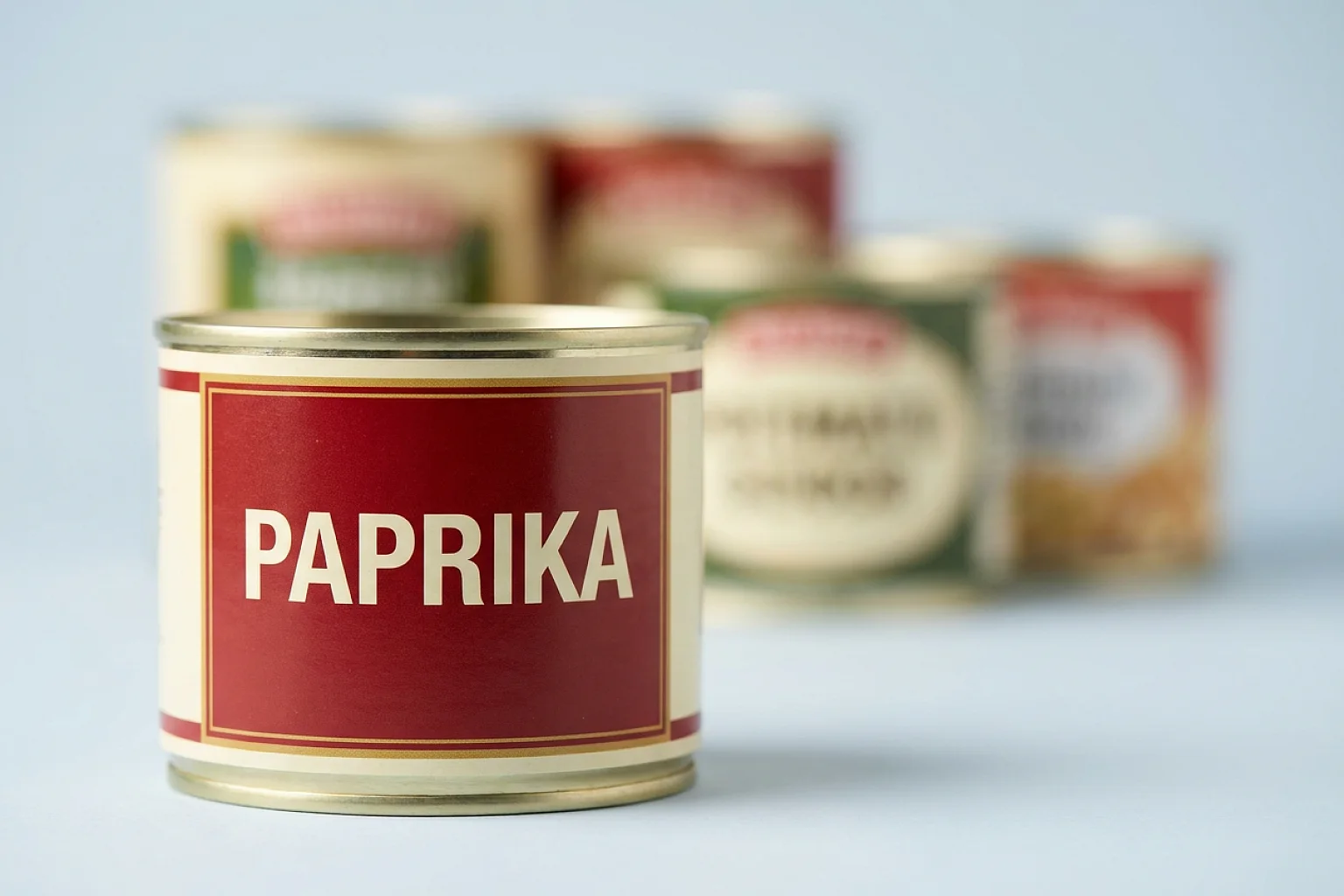
Benefits for your application
The key selection benefits at a glance.
Format and adhesion selected for the can material, coating and radius
Filling, refrigeration and application conditions considered early in planning
Application
Which cans are suitable for printed labels?
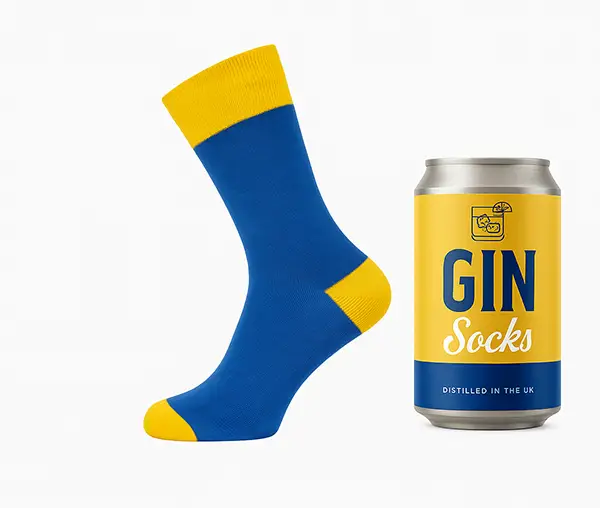
Cans provide a large wraparound area, but their radius, coating and possible condensation create specific labelling requirements. A format that looks good on a flat drawing can appear different on the actual container. Hummel Print helps you consider the can dimensions, design, material and labelling process together. The result is a solution matched not just to the product category, but to the specific can.
Can labels can be considered for rigid, cylindrical containers made of metal or plastic when the packaging needs to accommodate different products and designs flexibly. Diameter, height, possible taper, surface coating and the available straight-sided labelling area are decisive.
For beverages and food, refrigeration, condensation and product information also influence the selection. The pages on beverage labels and food labels explore these industry contexts in more detail. Here, the priority is matching the label to the radius, surface and process of the specific can.
Areas of use
Typical can applications
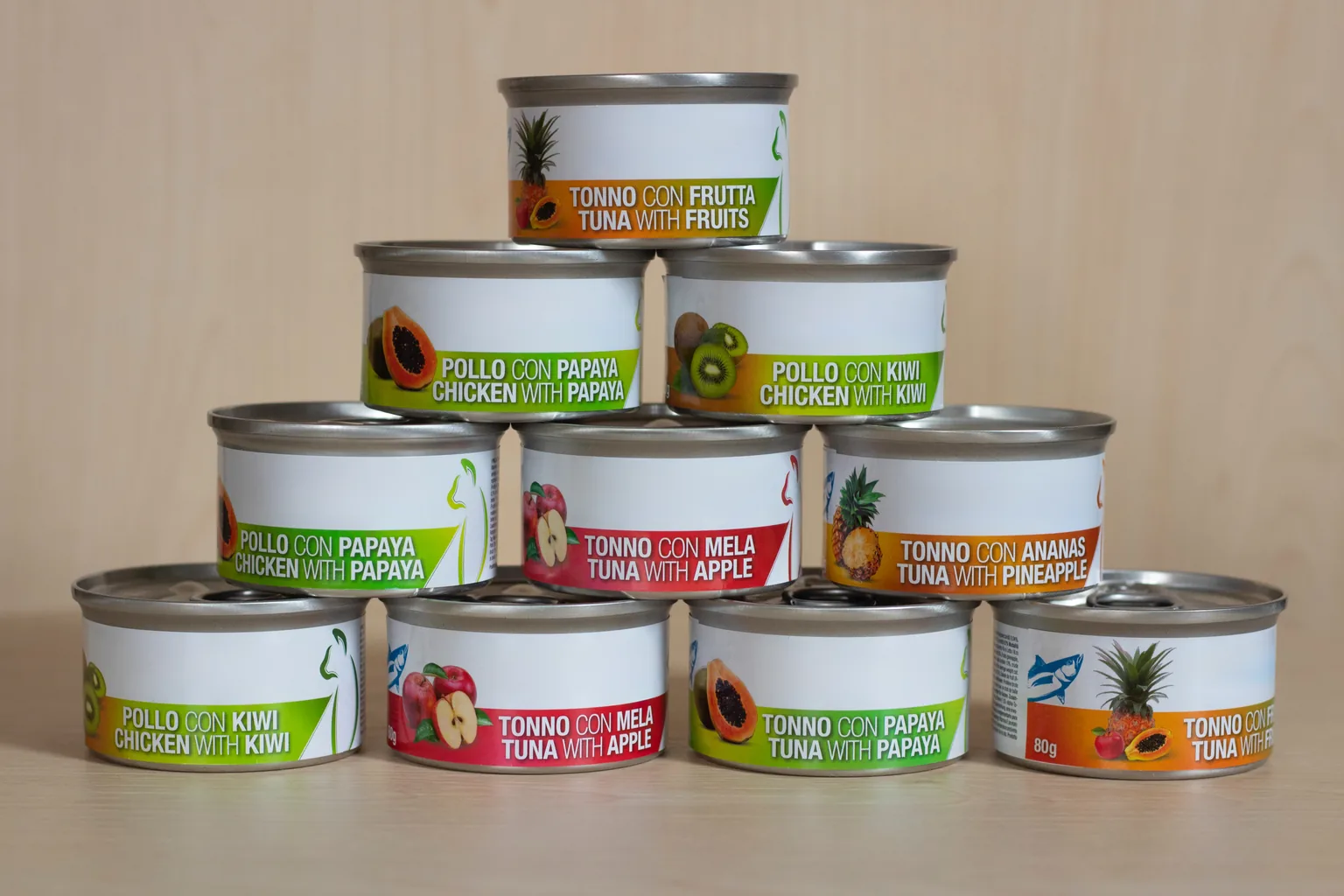
Small cans with a tight radius
The smaller the diameter, the greater the restoring forces acting on the label edge. The material, format and adhesive therefore need to suit the curve. The visible front panel also becomes narrower, so branding and information need to be arranged differently than on a large can.
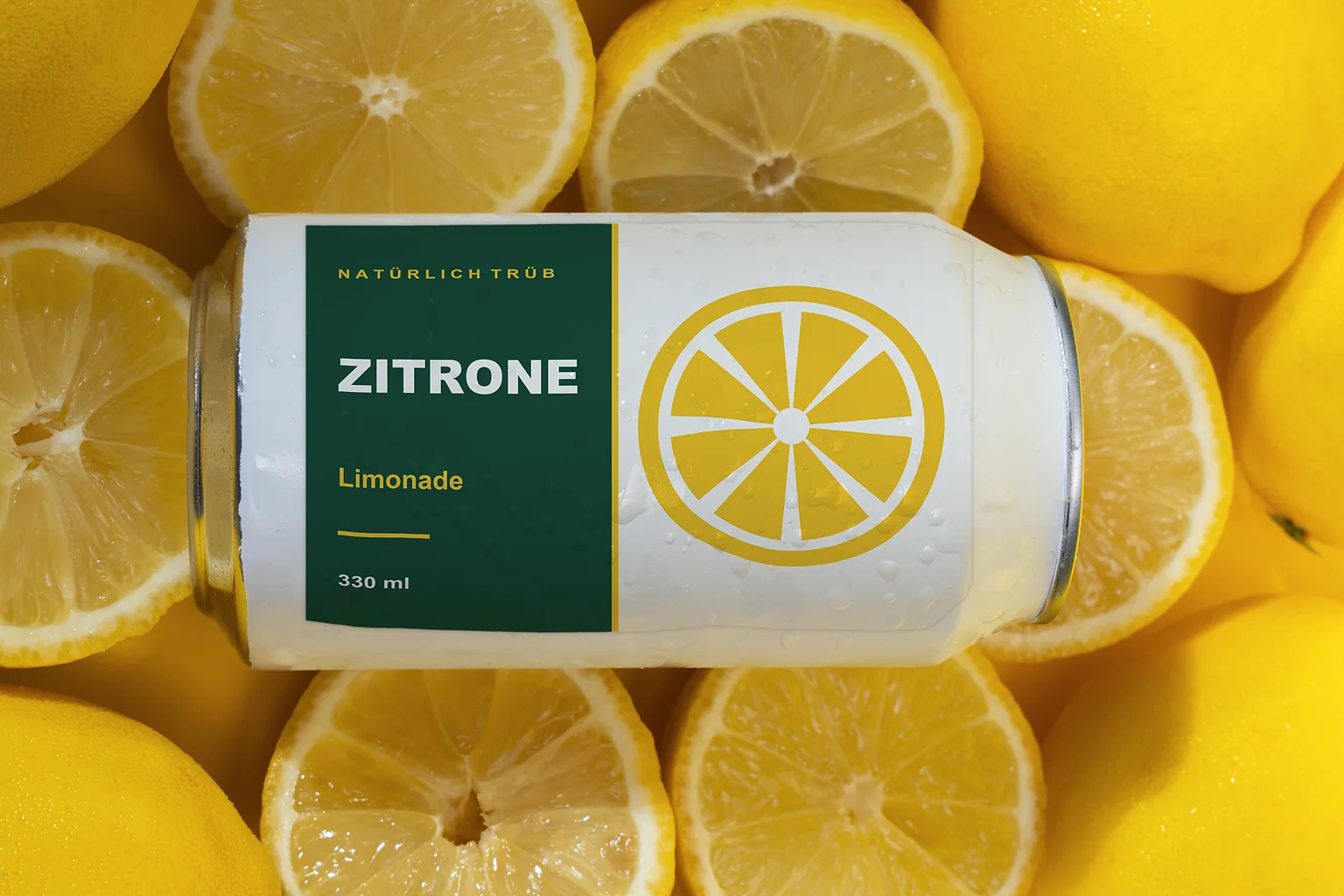
Refrigerated beverage or food cans
A dry can that is refrigerated later needs to be assessed differently from a container that is already cold or damp when labelled. Condensation can affect the surface, adhesion and print. The timing of labelling, later exposure and its duration are more relevant to selection than a general term such as “waterproof”.
Product ranges using a standard container
The same can format may be used for different varieties, formulations or markets. A shared base layout creates recognition, while colour, product names and variable data distinguish each version. The wraparound space should allow front and back information to flow together logically.
Selection guide
Which can and process details influence the label?
| Container or process feature | Effect | Selection question |
|---|---|---|
| Diameter and taper | determine the radius and usable labelling area | Is a current container drawing available? |
| Lacquered or plastic surface | affects adhesion and possible interactions | Can samples be tested on the original container? |
| Full or partial wrap | changes the overlap, edges and visible panels | How should front and back information be divided? |
| Fill condition during labelling | can influence temperature, moisture and shape | Is the can labelled empty, filled, warm or cold? |
| Condensation and refrigeration | place stress on the surface, print and adhesive | When does moisture occur and for how long? |
| Automatic dispensing | requires a suitable roll, machine direction and format | Which equipment data are available? |
Material & function
Designing for a curved surface
The main branding area is usually visible only within a limited viewing angle. Graphics that extend too far around the container cannot be seen at the same time. A strong can layout therefore prioritises the first view and leads product information logically around the curve. Seams and overlap areas must not interfere with important text or codes.
With transparent labels, the colour of the can can become part of the design. The page on no-label-look labels explains how the substrate, transparency and opaque areas work together.
What matters
Assess material, adhesion and moisture together
Paper and film can offer different appearances and levels of conformability. The suitable direction depends on the radius, surface, condensation, abrasion and intended visual effect. The label edge also matters because moisture or mechanical stress may act there first.
For defined water and condensation scenarios, the page on waterproof and water-resistant labels provides more detail. No material designation replaces testing on the specific can.
More products
Related labels
Quality you can verify
Our certifications & partnerships
- EcoVadisSilver rating · Top 15% (September 2026)
- ClimatePartnerClimate contribution available per order

- ISO 9001Quality management
- ISO 14001:2015Environmental management (QAS International) · Certificate no. GMEN1114

- VskE memberlabels association
- FSC® C006747Responsible forestry
- EN 16247-1Energy audit

Contact
Plan can labels on the actual container
Talk to us about the can material, coating, diameter, filling and labelling conditions, condensation, design and equipment. This allows a suitable label approach to be narrowed down.


Contact form
We will get back to you within one business day.