Printed labels
Closure and seal labels with first-opening evidence
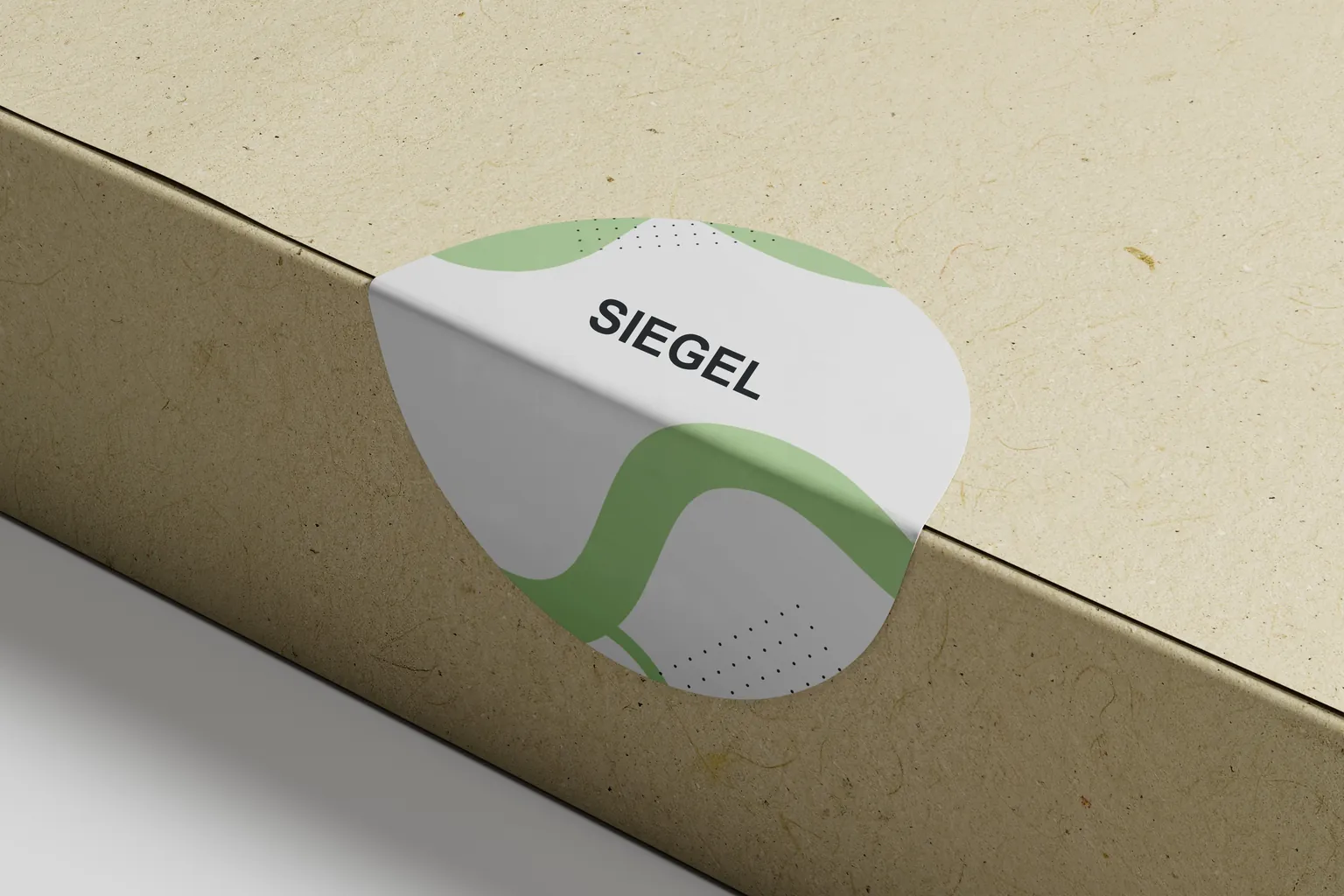
A printed label bridges the gap between closure and container and makes the first opening visible.
Benefits for your application
The key selection benefits at a glance.
Make the first opening visible through a break line, perforation or security die-cut
Combine brand, opening notice and sequential serial number on one area

Product
Closure and seal labels from Hummel Print
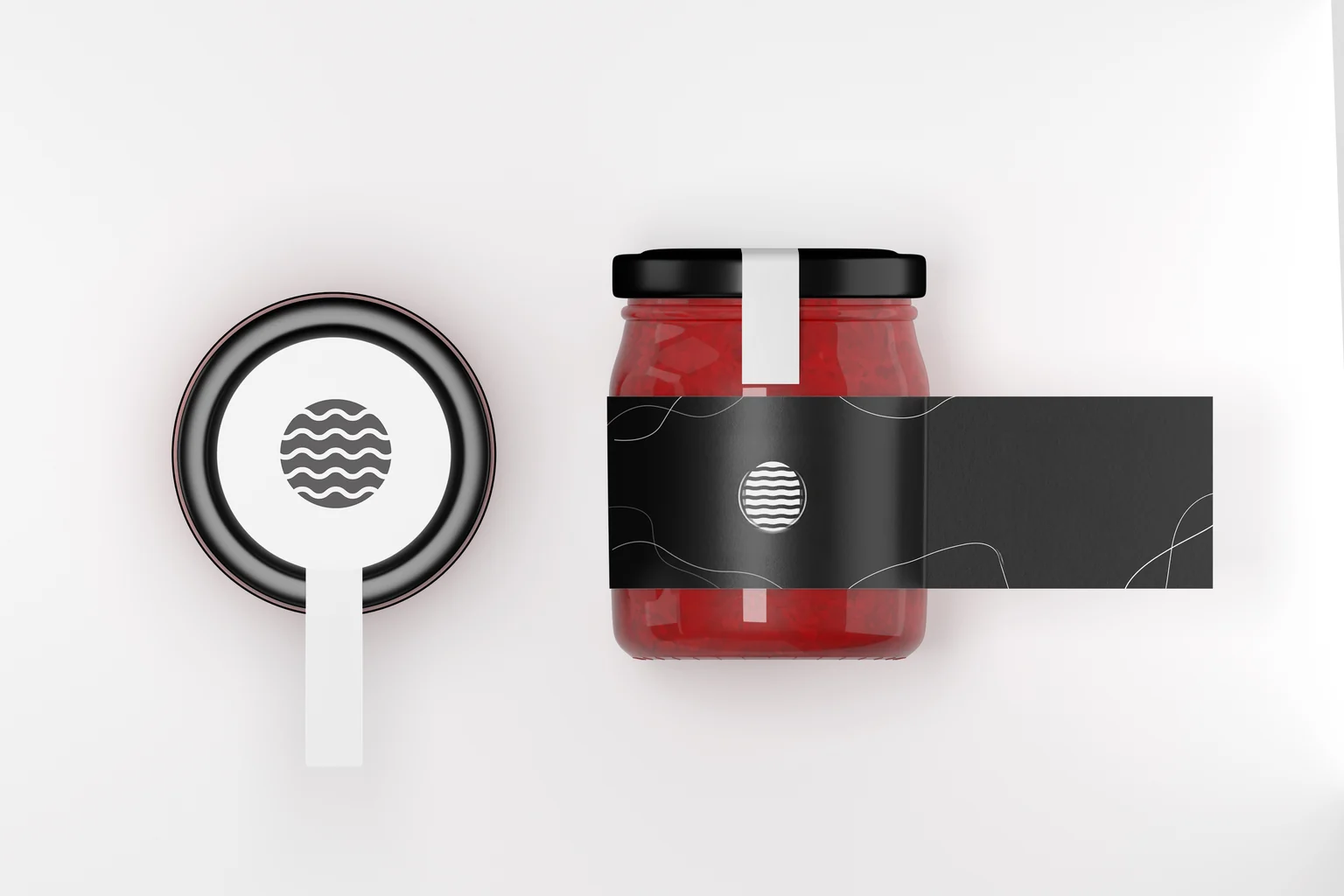
Closure labels are applied across the gap between lid and container, between flap and box or over the top of a bag. They keep a pack closed, carry brand and notices and, as a seal, show that a container has already been opened. Hummel Print develops these labels around your container, your labelling process and the function on opening.
- Printing: up to eight colours, spot colours and opaque white, on opaque or transparent material
- First opening: break line, perforation or security die-cut in the seal bridge
- Data: batch, sequential serial number, barcode or QR code as variable printing
- Shape: die-cut to your contour, as a strip, round label or corner format
- Supply: on rolls for machine labelling or for manual application
Terms
Closure, seal or security label?
A closure label keeps a flap, lid or box shut. A seal label, also called a tamper-evident seal or guarantee seal, connects lid and container so that a clearly visible change occurs on first opening.
Security labels go one step further: a security die-cut makes the label tear when someone tries to peel it off, so it cannot be removed and reapplied unnoticed. This does not prevent tampering, but it makes it visible.
Seal bridge
What the seal bridge has to do
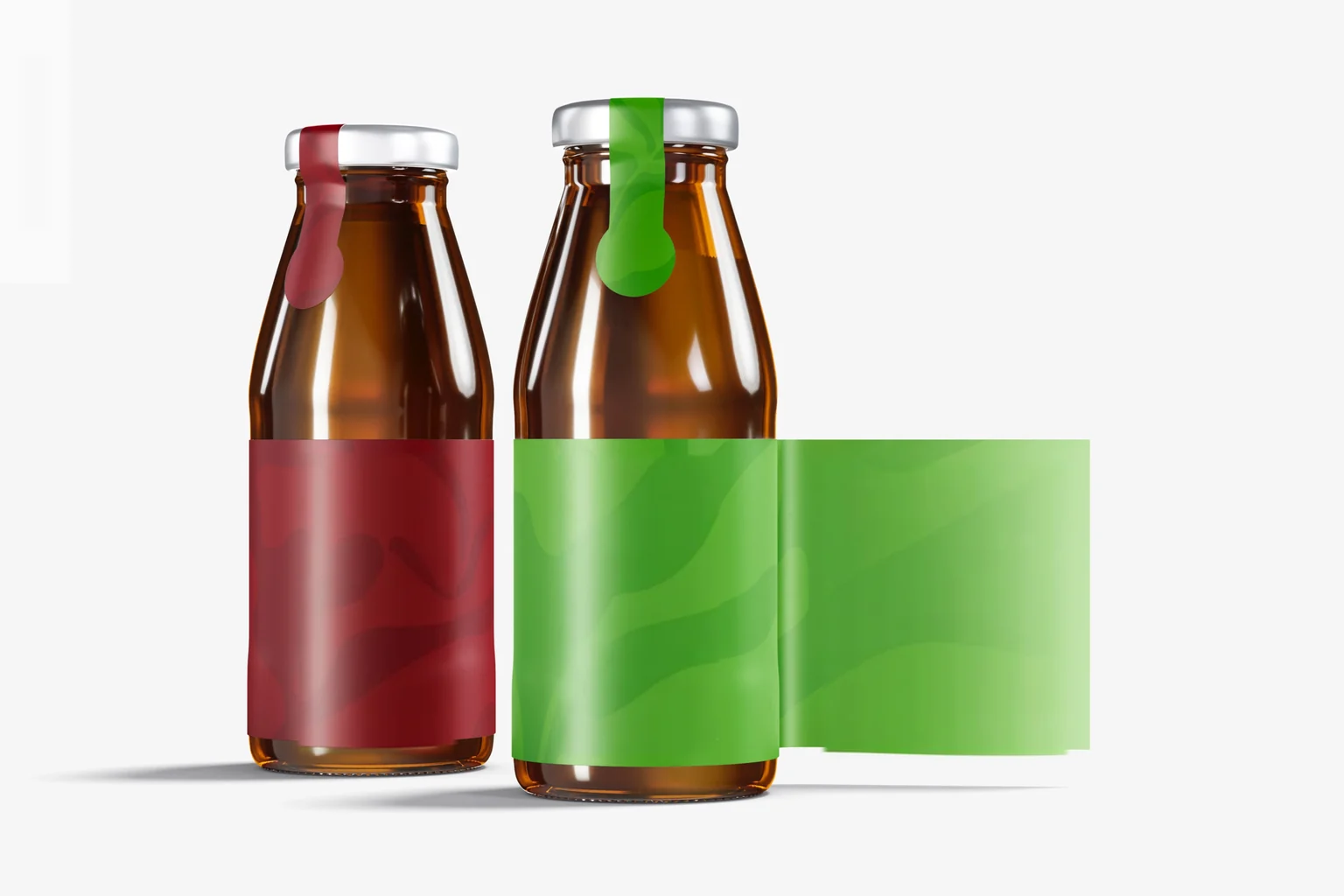
The bridge is the part of the label that lies across the gap. Its width, position and the adhesive areas on both sides decide whether the label tears cleanly on opening or simply moves along. Turning a screw cap creates a different force than lifting a lid.
A printed code or striking design helps recognition but does not replace mechanical evidence of first opening. Print and break zone are therefore arranged so that important information stays legible after opening.
Selection guide
Which version suits the task?
| Task | Possible direction | Key question |
|---|---|---|
| Keep the pack closed | simple closure label across the gap | Should the label come off with little residue later? |
| Show first opening | seal bridge with break line or perforation | Where may the label tear, and where never? |
| Show removal attempts | security die-cut | Which indication does the process really need? |
| Identify individual packs | seal with sequential serial number | How is the number captured later? |
| Curved or small area | flexible material with adapted die-cut | How small is the radius at the bonding point? |
| Open and close repeatedly | resealable construction | How often is the pack opened in use? |
Applications
Where seal labels are used
- Pharma and medical: Since February 2019, prescription medicines in the EU carry an anti-tampering device on the folding carton (Directive 2011/62/EU, Delegated Regulation (EU) 2016/161). Seal labels over the flap are a common form; EN ISO 21976 describes verification features.
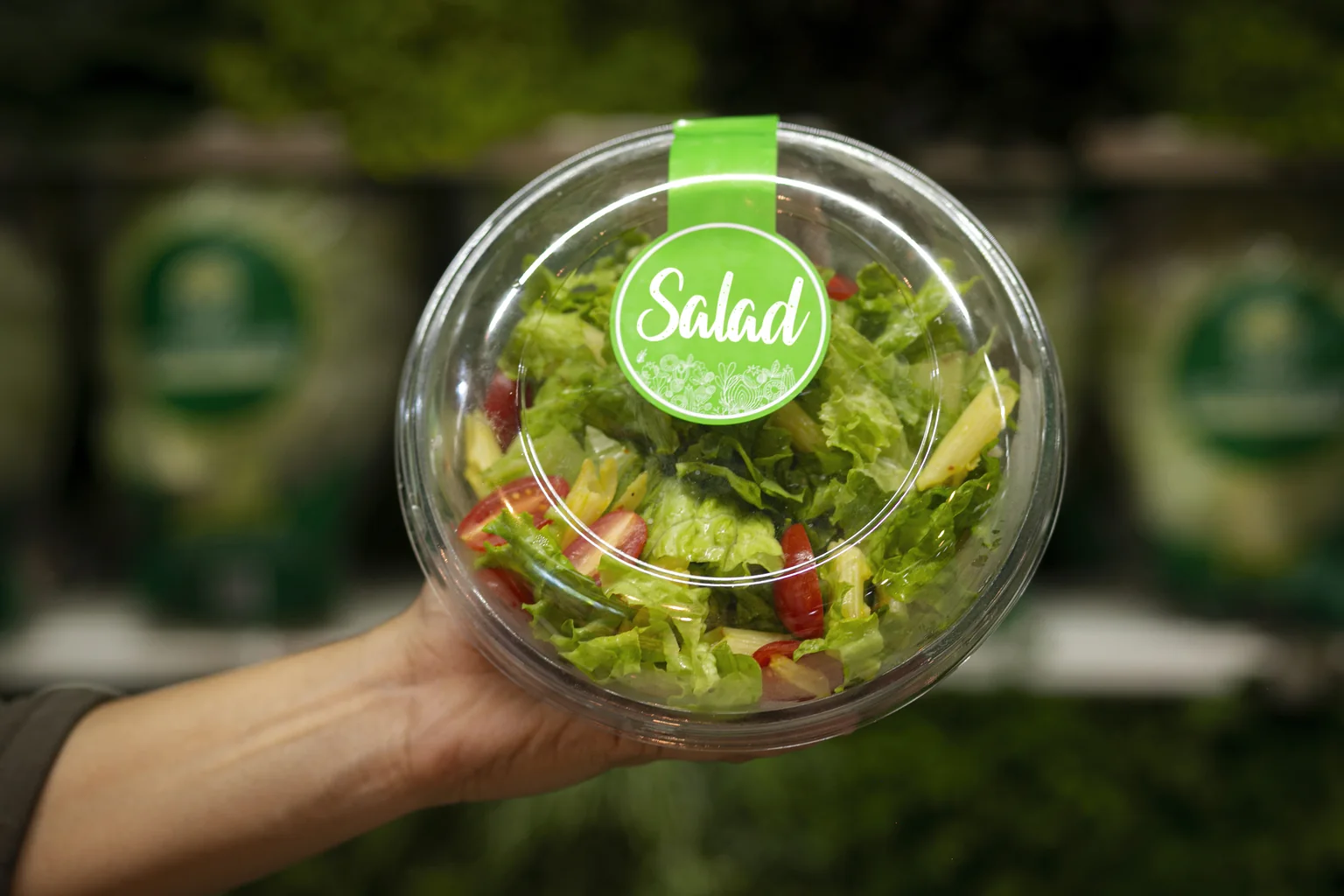
- Food: jars, trays and cups in the chiller
- Delivery services and takeaway: sealing bags and boxes on the way to the customer
- Shipping and e-commerce: seals over the carton flap
- Electronics and spare parts: guarantee seals over housing screws or packaging
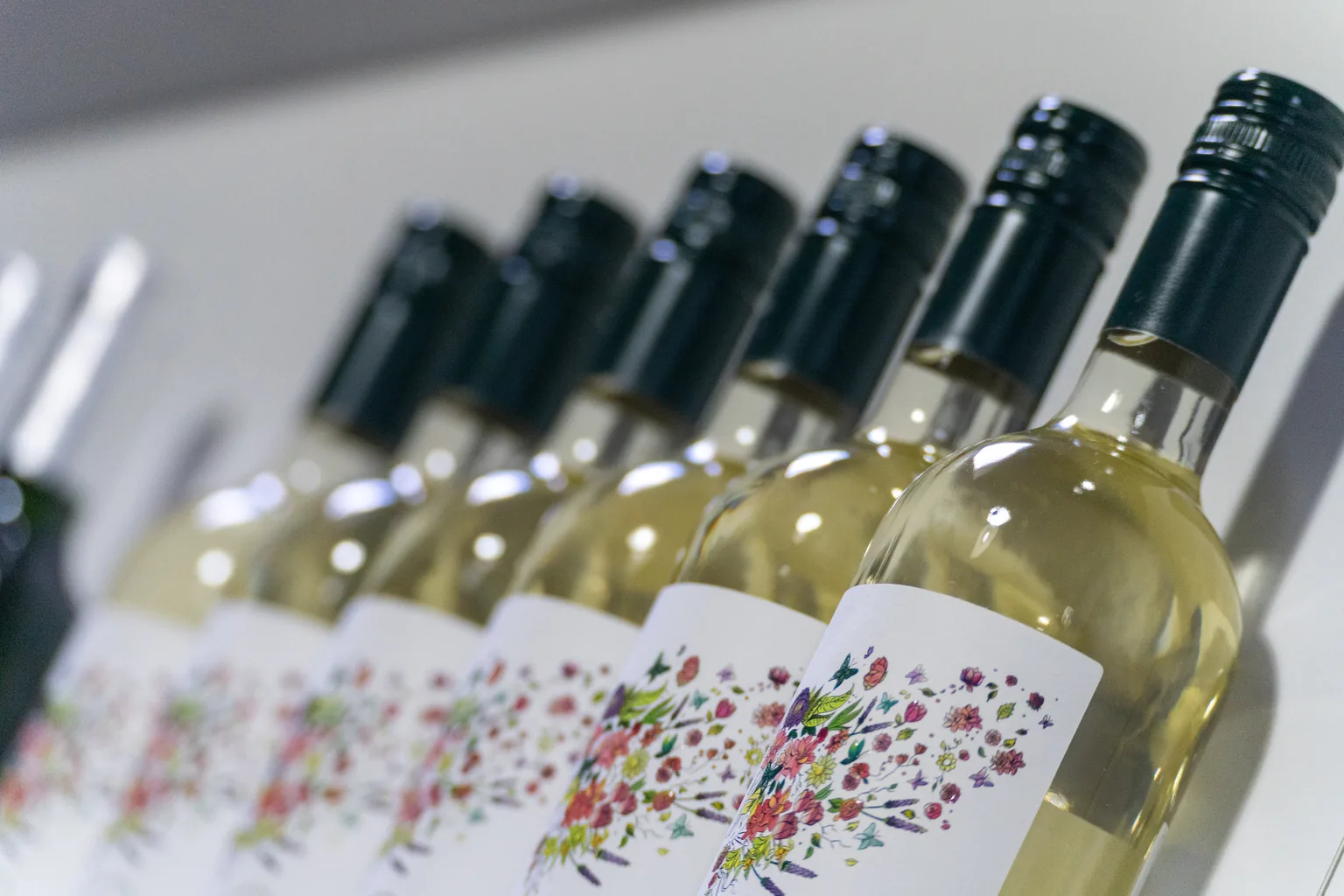
- Wine and spirits: capsule replacement and neck seals, see wine labels
- Cosmetics: seals over jar lids and folding cartons
Container
Consider lid and container separately
A closure label adheres to two parts that are rarely the same. A coated metal lid, a plastic closure and a glass shoulder accept adhesive differently. Threads, hinges and knurling reduce the usable area. On plastic beverage bottles, caps have remained attached to the container since July 2024 under the EU Single-Use Plastics Directive; the seal geometry must then match the hinge movement. This is clarified fastest on an original container.
More labels
Matching labels for your container
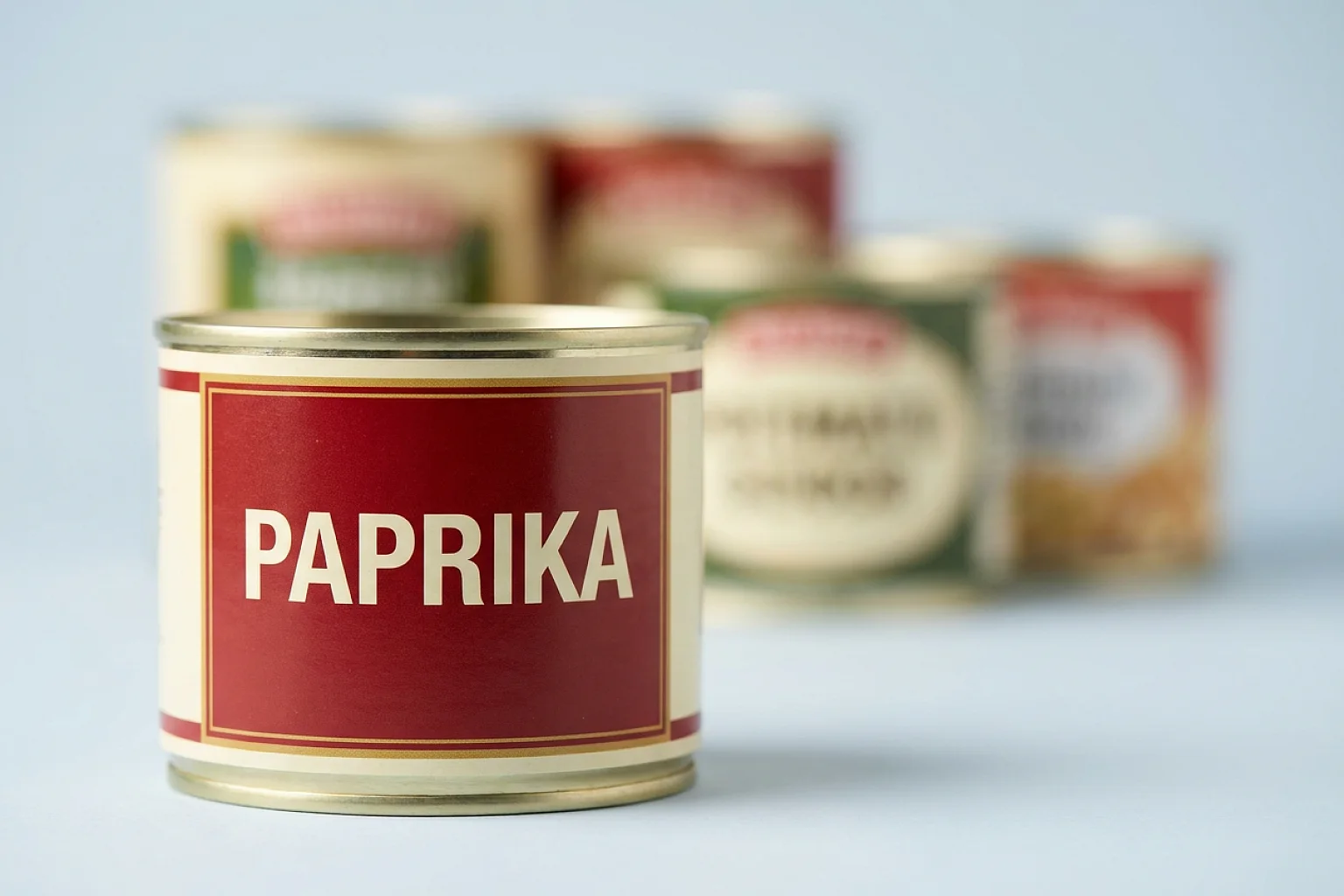
If a pack is to be opened several times, the route leads to resealable labels. On a can the seal meets the can label, on the shelf the food label with all mandatory information, and in cosmetics the seal bridge on the jar complements the cosmetics label. For sequential serial numbers, the variable printing page offers more guidance.
FAQ
Frequently asked questions about selection
01What is the difference between closure labels and seal labels?
Closure labels keep a pack shut. Seal labels additionally connect lid and container so that the first opening becomes visible. In practice both terms are mixed, but the constructions differ significantly.
02When does a label really show the first opening?
When opening creates a planned change that cannot be reversed unnoticed. This can be a tearing bridge, a perforation, a security die-cut or a face material that breaks up when removed.
03What should be considered when lid and container are made of different materials?
Both sides must hold the adhesive permanently. Coated lids, glass, tinplate and plastics behave differently, so adhesion on both surfaces is considered separately and sampled on the original container.
04Which construction suits small radii and corner applications?
Small radii create recovery forces in the face material. A flexible build, a suitable die-cut and enough adhesive area behind the edge are needed. How tight the radius may be is shown by a trial on the container.
05Can closure labels be processed automatically?
That depends on format, build, roll parameters and the existing machine. Corner and wrap-around applications also need suitable pressing elements. A line trial provides the most reliable basis.
More products
Related labels
Quality you can verify
Our certifications & partnerships
- EcoVadisSilver rating · Top 15% (September 2026)

- ClimatePartnerClimate contribution available per order

- ISO 9001Quality management
- ISO 14001:2015Environmental management (QAS International) · Certificate no. GMEN1114

- VskE memberlabels association

- FSC® C006747Responsible forestry
- EN 16247-1Energy audit

Contact
Develop the closure function on the original container
Talk to us about the container, lid material, gap, desired seal function, environment and labelling technology. The result is a construction that can be tested on the real product.


Contact form
We will get back to you within one business day.