For all common thermal printers
Core, winding direction and roll diameter follow your device, for example from Zebra, Sato, Toshiba or cab.
Direct thermal and thermal transfer labels
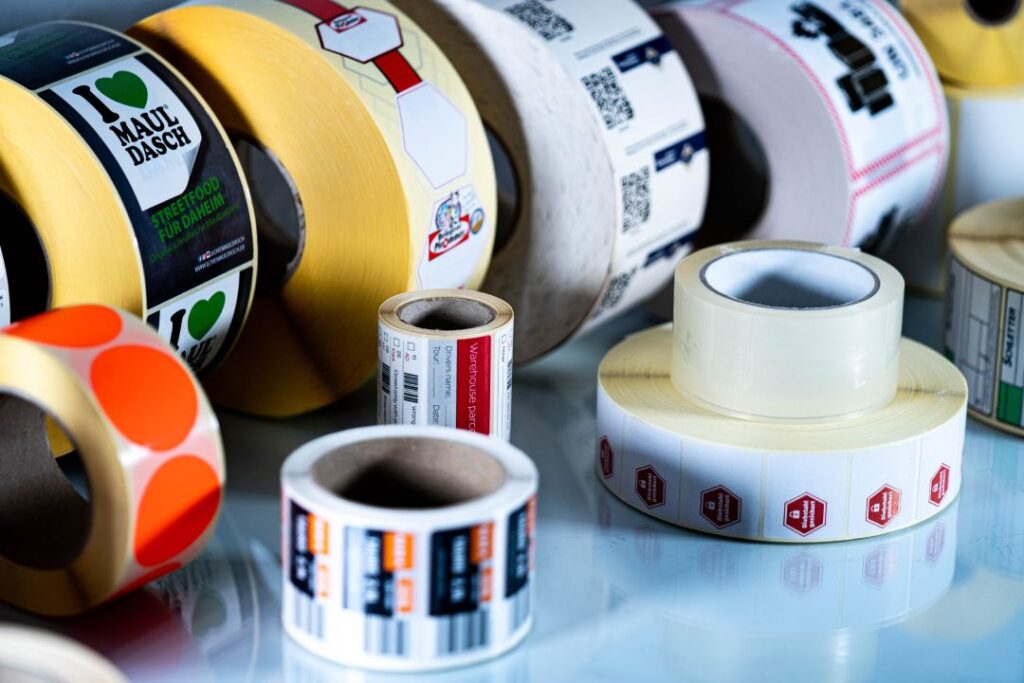
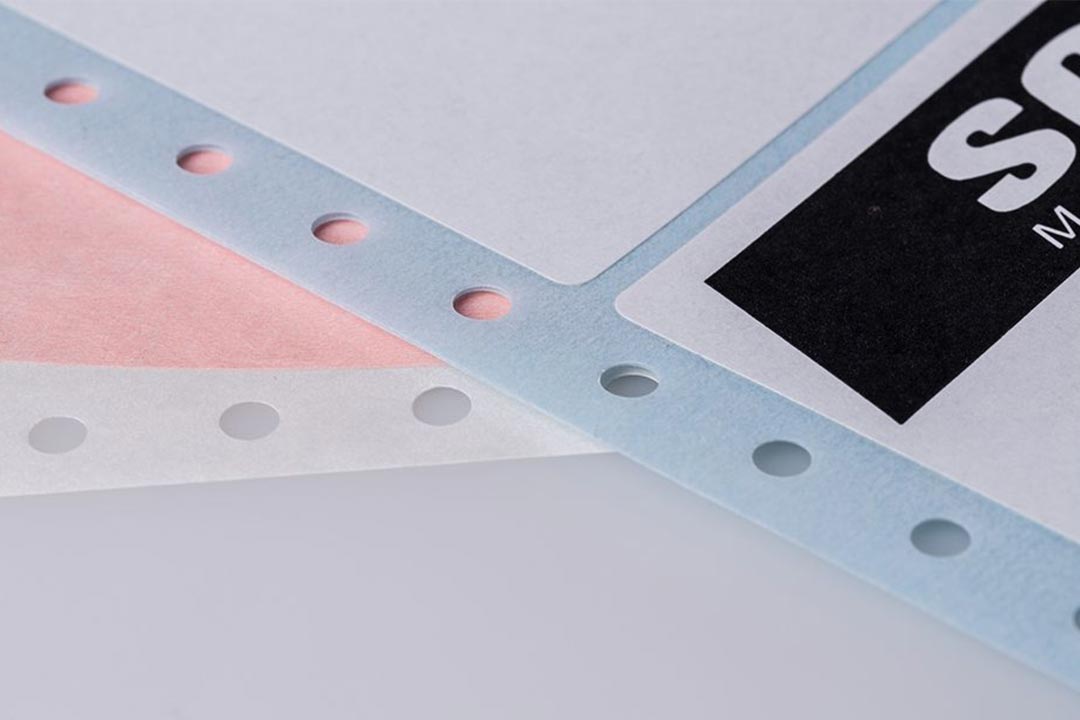
Thermal labels on rolls or fanfold, blank or preprinted, made to suit your printer and the period of use.
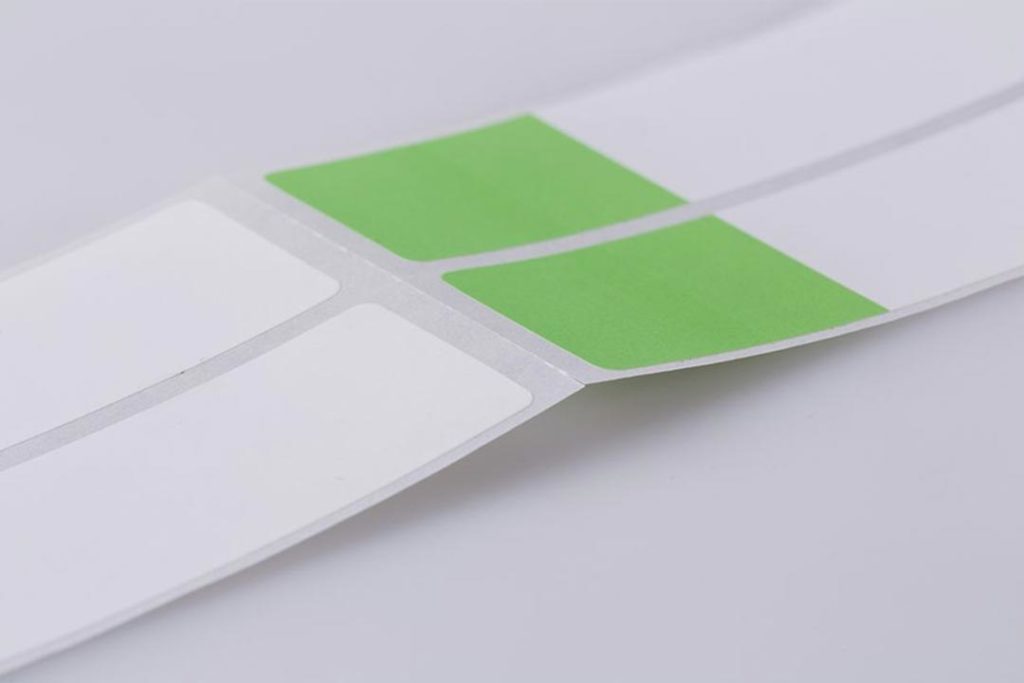
The key selection benefits at a glance.
Core, winding direction and roll diameter follow your device, for example from Zebra, Sato, Toshiba or cab.
We wind onto 25.4, 40, 50 or 76 mm cores and, with the small-roll rewinder, to exact quantities per roll.
Thermal Eco for shipping, Thermal Top with a protective coating against moisture and cold, thermal transfer for abrasion-resistant marking.
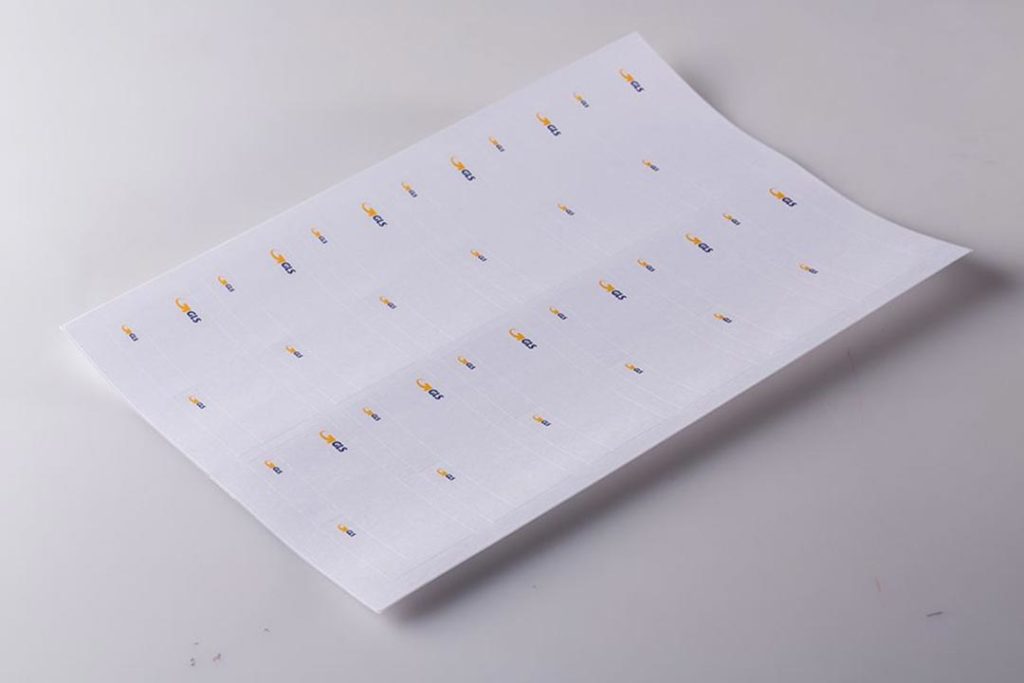
We preprint your logo, colour fields or notices by UV flexo or digital printing. The variable data comes from your printer.
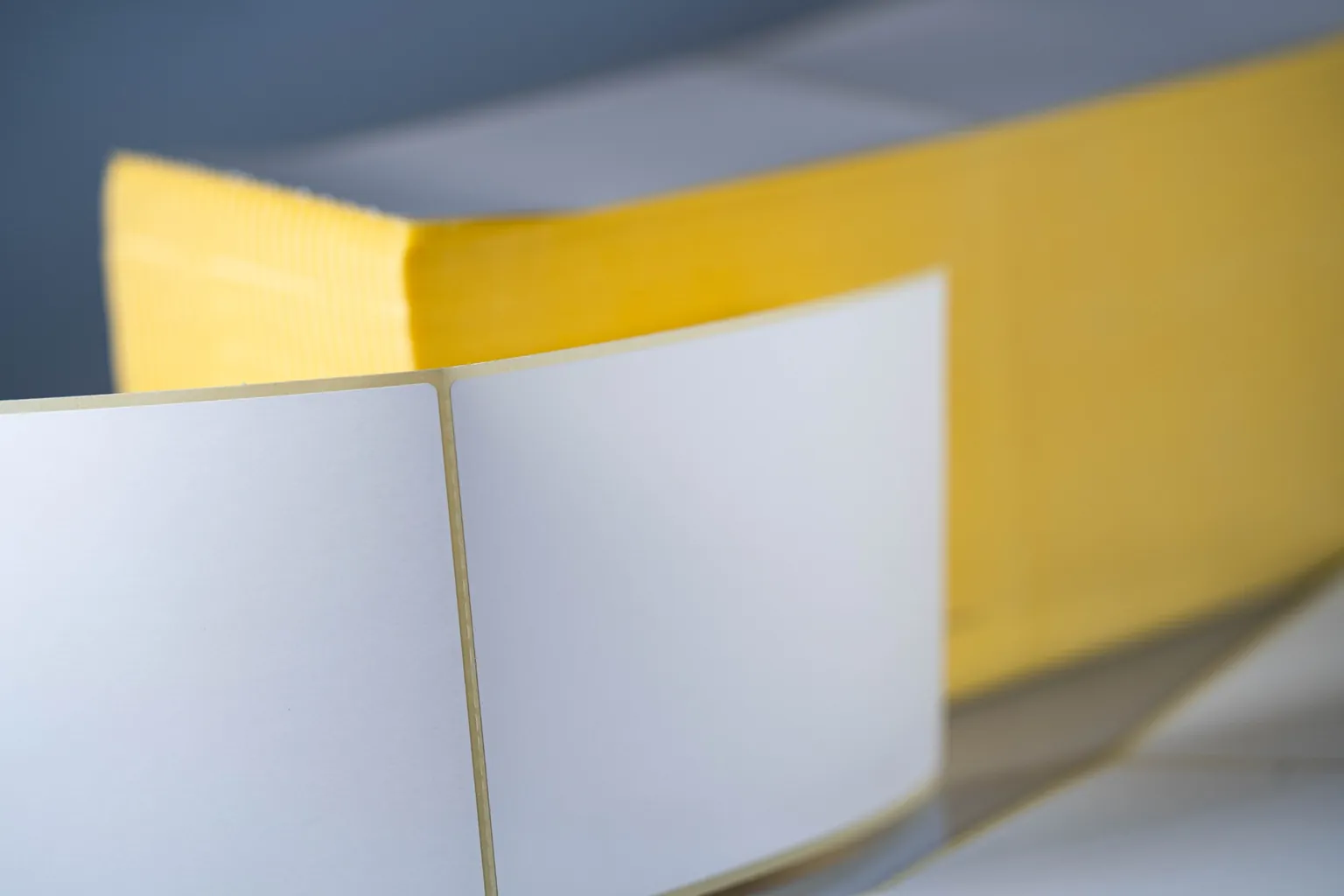
Specification
Thermal labels are printed on your premises: with addresses, barcodes, prices or batch data. In direct thermal printing a heat-sensitive layer in the material reacts to the printhead, so no ribbon is needed. In thermal transfer printing the printhead transfers colour from a ribbon onto the label. We produce both versions and wind the rolls to suit your equipment.
Common formats are available in small quantities around the clock in our web shop labelty.com. Our blank label calculator gives an indicative price for standard thermal labels on rolls. Custom formats, preprint and framework agreements are handled directly with us.
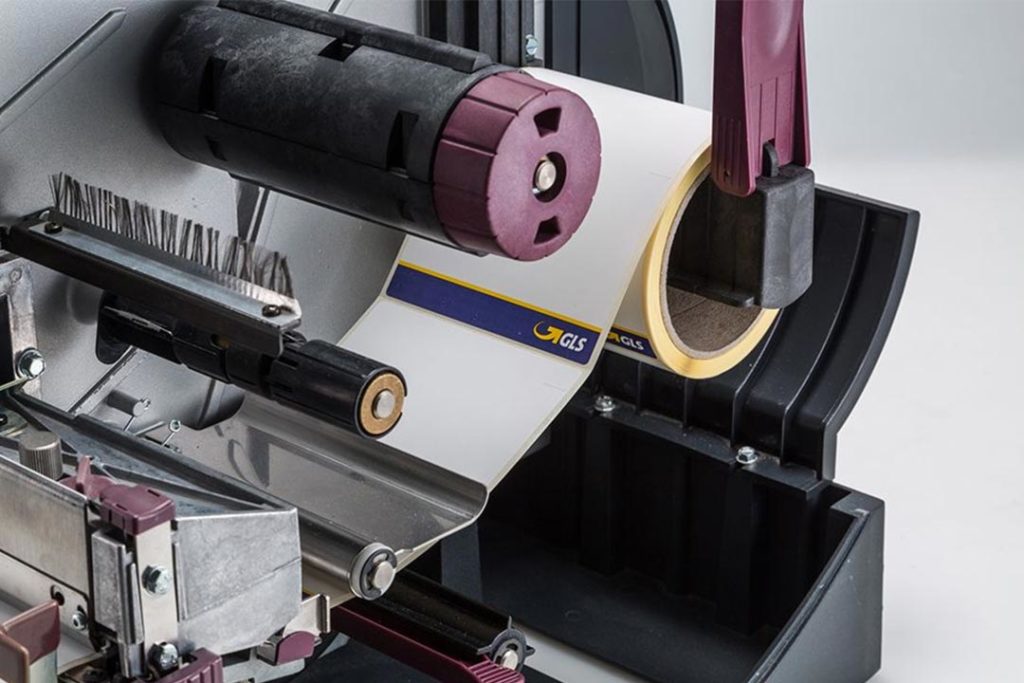
Print process
Direct thermal needs no ribbon and suits marking with a limited period of use, for example in shipping. Heat, light and abrasion can weaken the print over time.
Thermal transfer needs a ribbon that matches the material and printer settings. In return, the print is abrasion-resistant and durable. The process suits industry, warehousing and archiving as well as film labels.
Material
Synthetic and other special materials are produced on request. Paper grades are FSC®-certified on request.
| Material | Print process | Durability | Typical application |
|---|---|---|---|
| Thermal Eco | direct thermal, no ribbon | for short-term use; reacts to heat, light and abrasion | shipping and logistics labels |
| Thermal Top | direct thermal, no ribbon | protective coating against moisture and cold | food, deep-freeze, longer service life |
| Thermal transfer | thermal transfer, with ribbon | abrasion-resistant and durable | industry, warehousing, archiving |
| Film | thermal transfer | moisture- and chemical-resistant | demanding surfaces and environments |
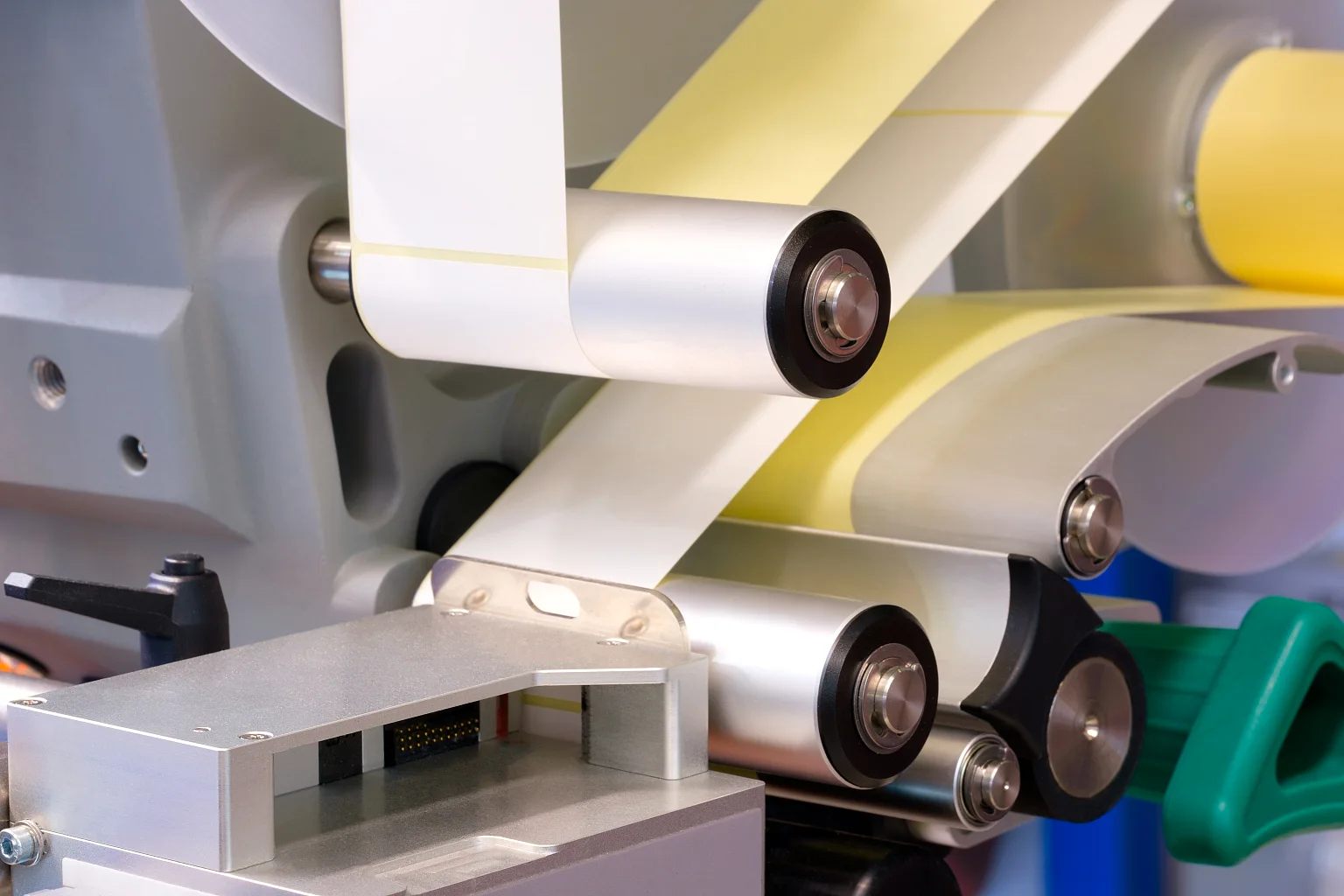
Applications
Addresses, barcodes and status data must stay legible until delivery. Thermal Eco is the usual choice for this short journey; we match the roll and sensing to the printer at the packing station.
Item, batch, best-before date or weight are added during the process. A preprint carries the brand and fixed notices, while the variable fields sit outside die-cut and sensor zones.
Under heat, light, moisture or abrasion, direct thermal is often not enough. Thermal transfer on paper or film withstands such conditions for longer.
Preprint
We preprint recurring logos, colour areas, return addresses or warnings by UV flexo or digital printing in up to 8 colours. Preprint, thermal print window, sensor mark and die-cut contour are laid out so that they do not interfere with one another.
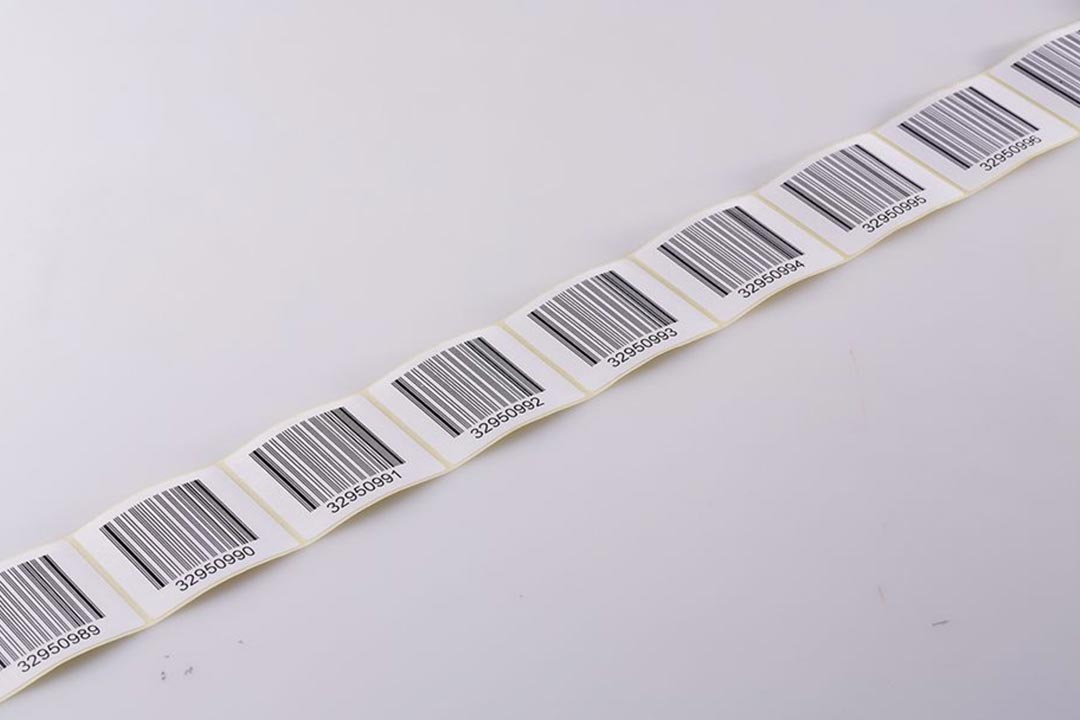
For barcodes and 2D codes, code size, contrast, quiet zone, material reflectance, printhead condition and scanner all matter. ISO/IEC 15415 and ISO/IEC 15416 describe how 2D and linear codes are measured. For consecutive numbers and individual codes, the page on variable data labels covers the data process in more detail.
Converting
For a quotation we need these details about the roll:
Anything you do not know, we clarify together. A printer model alone does not replace these details, because holder, sensor and dispensing edge vary by configuration.
More products
Quality you can verify

Contact
Tell us your printer model, label format, core, winding direction, quantity and application. We will recommend the right material and send you a quotation.


We will get back to you within one business day.