More space without a larger label
Translations, directions and warnings fit on several pages while the footprint stays the same.
Printed labels
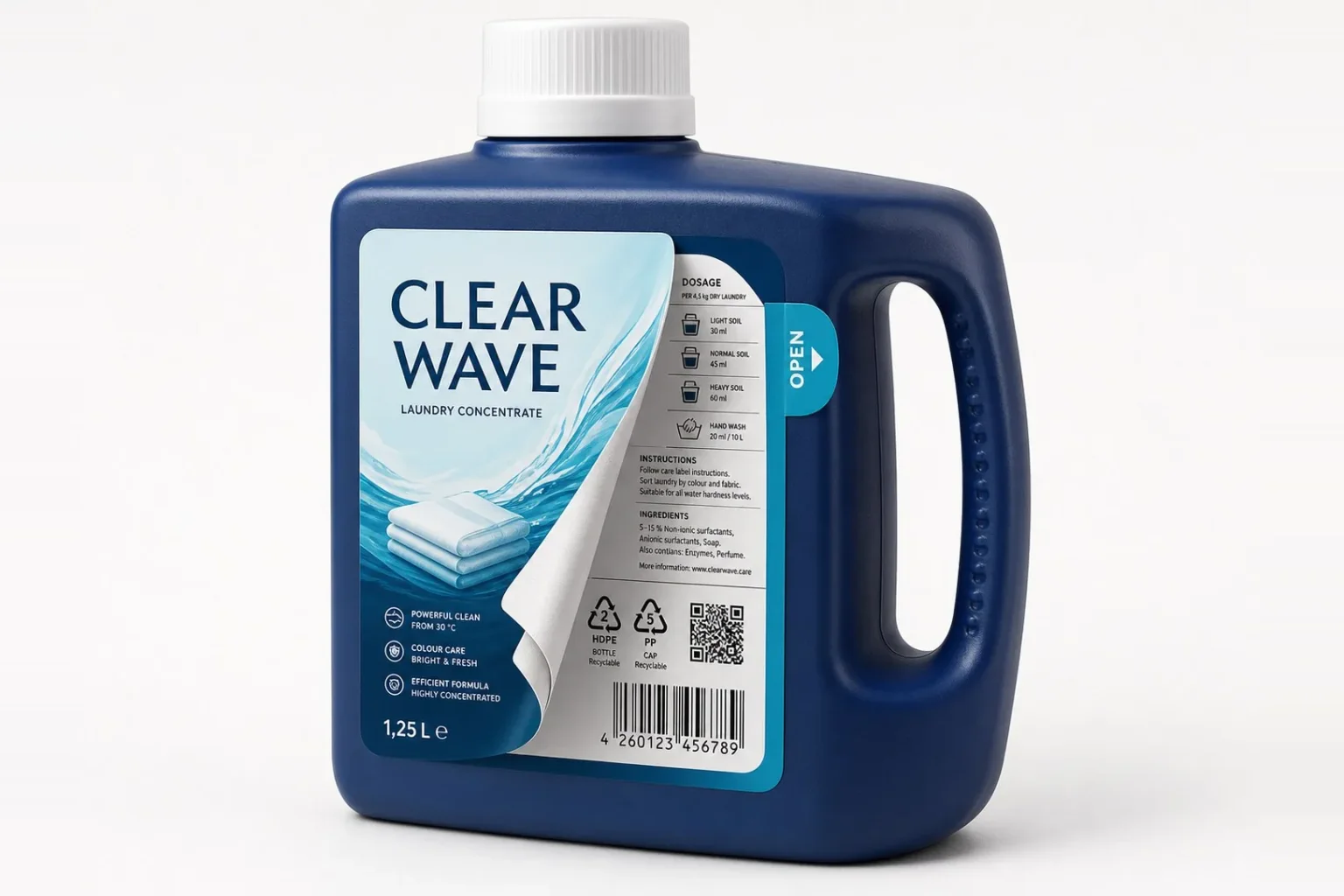
Several printed layers on the area of one label, for translations, directions for use, hazard information and promotions.
The key selection benefits at a glance.
Translations, directions and warnings fit on several pages while the footprint stays the same.
The outer layer shows product and brand, mandatory text sits in order on the inner pages.
Booklet, peel-off, coupon or resealable layer, depending on how often and why the layer is opened.
Multilayer labels are supplied on rolls like single-layer labels and applied by machine.
Product
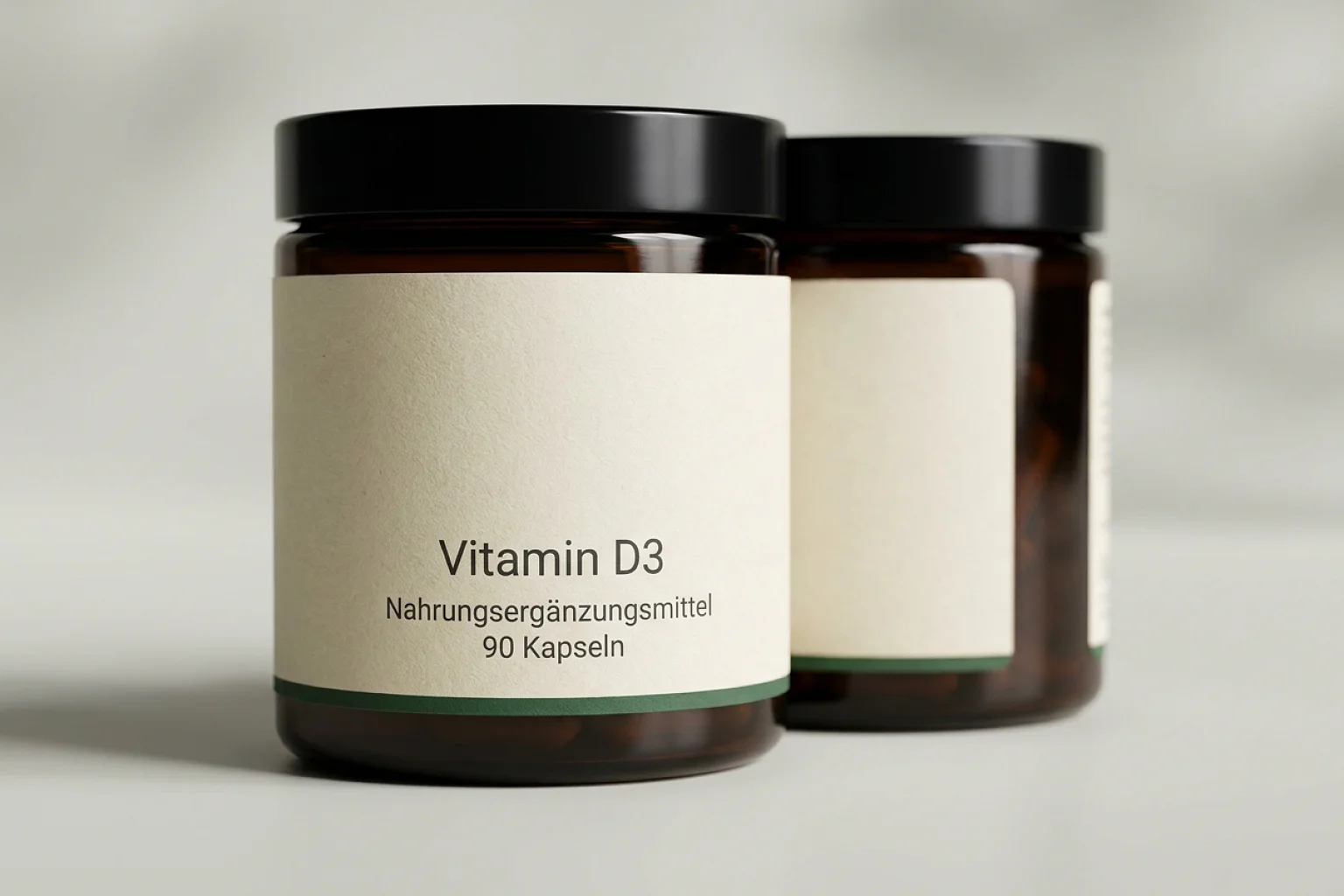
Multilayer labels consist of a base that stays on the product and one or more printed layers on top. The layer is opened, peeled off or pressed back down. This lets multilingual text, instructions and warnings fit on a small container, while the front belongs to the brand.
Constructions
A small booklet on the label that opens and closes again. Typical for many languages and long directions for use.
A second layer that is opened or peeled off and reveals an additional printed inner side.
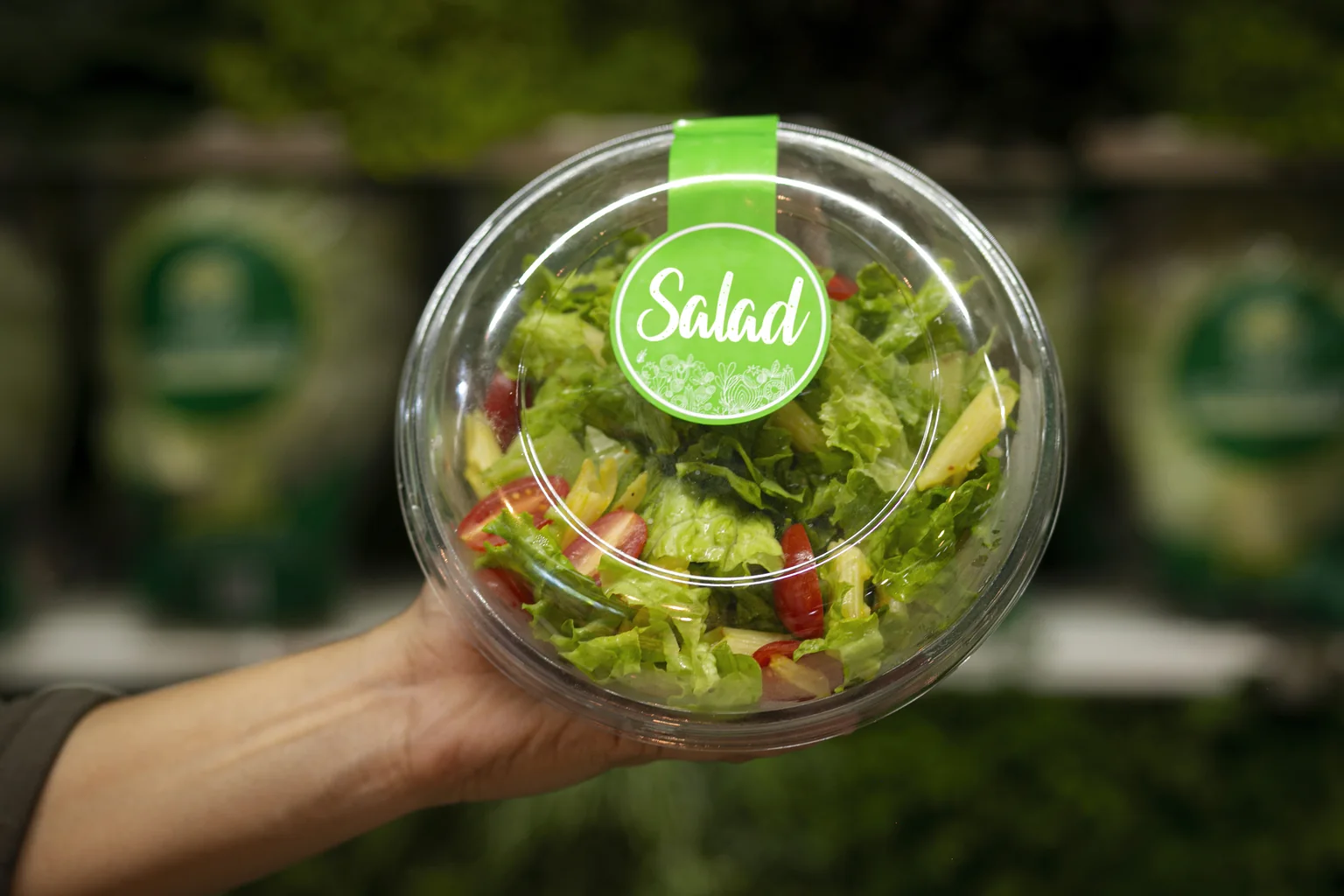
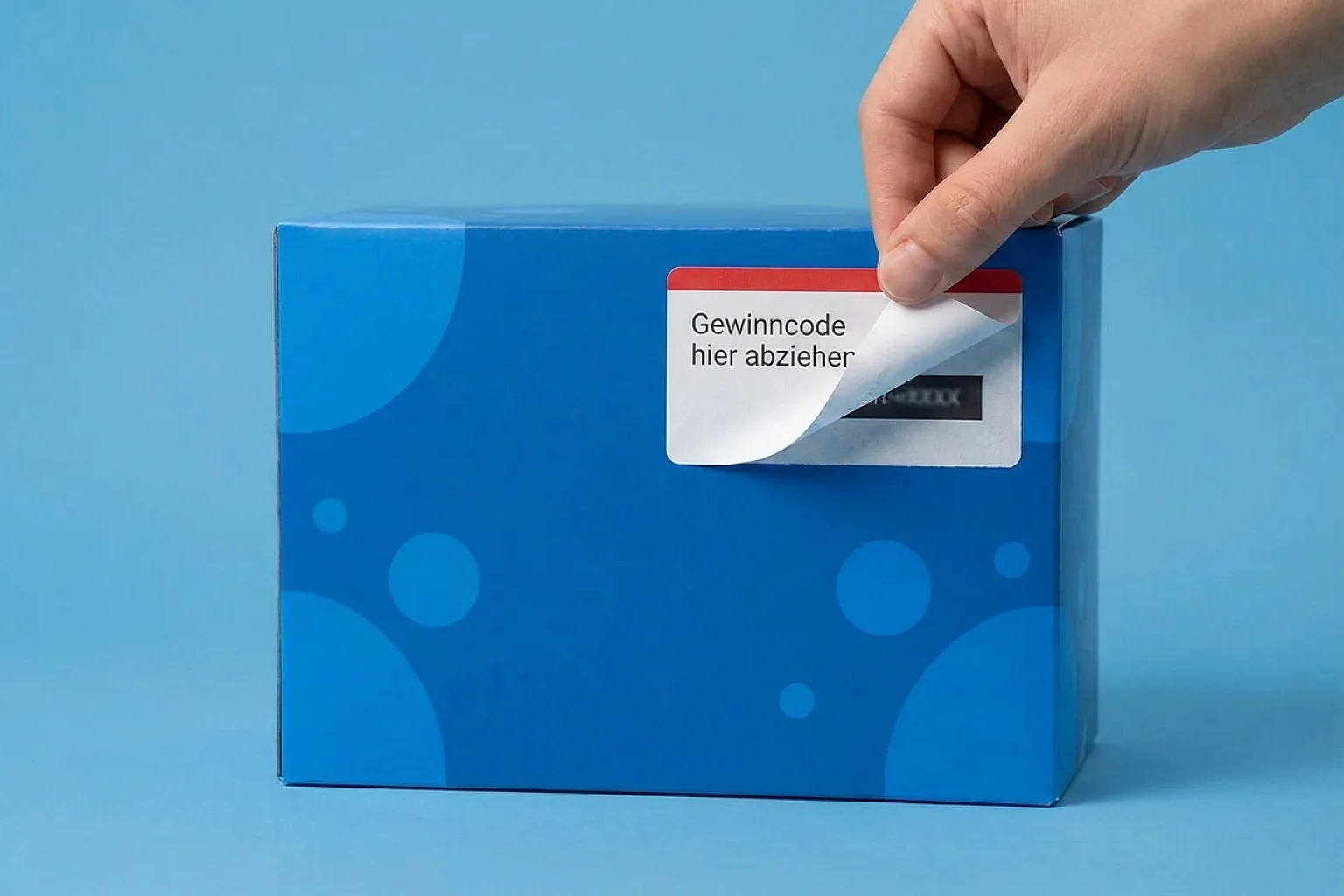
A layer that the customer peels off and takes away, for example as a voucher or prize code. The base with product information stays on the pack.
A layer that can be opened and pressed back down many times. More on the resealable labels page.
Applications
For hazardous substances, the CLP Regulation explicitly permits fold-out labels when the information in all languages would otherwise not fit on the container.
Selection guide
| Goal | Construction | What to watch |
|---|---|---|
| Many languages | booklet label | number of pages, thickness and legibility of type |
| One additional information area | peel-off or double-layer label | opening and what stays on the base |
| Removable voucher | coupon label | release and code area |
| Repeated opening | resealable layer | tab and number of openings |
| Small or round container | compact build | radius and stiffness of the layers |
| Automatic labelling | dispensable roll build | thickness, running direction and machine |
Design
A visible grip tab and a clear notice show where the layer opens. The base carries everything that has to stay on the product after opening or peeling. Additional layers change thickness and stiffness; on small radii and during dispensing, forces differ from those on a single-layer label. A sample on the original container shows whether opening and processing work together. For numbers and codes across several layers, the variable printing page offers more guidance.
More products
Quality you can verify







Contact
Tell us the container, label size, number of languages and pages, preferred construction and your labelling machine. We propose the right build and send you a quote.


We will get back to you within one business day.